The hottest AI startups in 2026 are no longer limited to companies building large language models. The fastest growth is now spread across AI coding, agents, healthcare, legal work, robotics, voice, video, search, data centers, chips, and enterprise software.
This ranked list tracks 100 AI startups using four signals: latest public valuation or funding, product growth, market use, and category strength. It includes major private companies and a few startup-born businesses that have recently been acquired or started the process of going public. Those cases are clearly marked.
The list is current through September 7, 2026. That matters in a market that can change in days. For example, Nvidia announced a deal to buy Hugging Face for almost $13 billion on September 3, while Moonshot AI filed for a Hong Kong IPO on the same day. Both events changed the AI startup map at once.
Quick Answer: What Are the Hottest AI Startups in 2026?
OpenAI, Anthropic, Databricks, Cursor, Moonshot AI, Anduril, Figure AI, Etched, Perplexity, Mistral AI, Thinking Machines Lab, Safe Superintelligence, Skild AI, Harvey, OpenEvidence, ElevenLabs, Sierra, Glean, Scale AI, and Surge AI lead our 2026 list.
The leaders are not all winning in the same way.
- OpenAI and Anthropic lead frontier models.
- Cursor leads AI coding.
- Harvey and OpenEvidence show the power of vertical AI.
- Etched is one of the fastest-rising AI chip startups.
- Sierra and Decagon are pushing AI agents into customer service.
- Figure AI and Skild AI are building the intelligence layer for robots.
Top 20 Hottest AI Startups at a Glance
- OpenAI — Frontier models and AI products; about $850 billion valuation reported in 2026.
- Anthropic — Claude models and enterprise AI; $380 billion valuation after a $30 billion round in February 2026.
- Databricks — Enterprise data and AI platform; $134 billion valuation.
- Moonshot AI — Kimi models; about $50 billion valuation and a planned Hong Kong IPO.
- Cursor by Anysphere — AI coding; last completed valuation of $29.3 billion, with a higher round discussed in 2026.
- Anduril — Defense and autonomous systems; major private funding and strong public-sector demand.
- Figure AI — General-purpose humanoid robots; one of the largest robotics valuations.
- Etched — AI inference chips; $21 billion valuation after a $700 million round in August 2026.
- Perplexity — AI search and answer engine; rapid consumer and enterprise growth.
- Thinking Machines Lab — Frontier AI research; one of the largest seed rounds in technology history.
- Safe Superintelligence — Safe frontier AI research; about $32 billion valuation in its last major round.
- Mistral AI — European foundation models; about $14 billion valuation.
- Skild AI — General robotics foundation models; $14 billion valuation after a $1.4 billion Series C.
- Scale AI — AI data, testing, and evaluation; $14 billion valuation in its major 2025 deal.
- OpenEvidence — Medical AI search; $12 billion valuation after a $250 million round.
- Harvey — Legal AI; $11 billion valuation and more than $1 billion raised.
- ElevenLabs — Voice AI; $11 billion valuation after a $500 million Series D.
- Sierra — Enterprise customer-service agents; strong revenue growth and a $10 billion valuation.
- Glean — Enterprise search and work AI; $7.2 billion valuation in its last reported round.
- Surge AI — Training data and evaluation; fast growth as model labs demand higher-quality data.
How We Ranked the 100 Hottest AI Startups
This is not simply a list of the AI companies with the highest valuations. A large funding round can signal investor confidence, but it does not automatically mean a startup has strong customer demand, a useful product, or a lasting advantage.
To build this ranking, we assessed each company across four factors:
-
Valuation and funding (35%) — The startup’s latest confirmed valuation or funding round, access to capital, investor backing, and ability to finance future growth.
-
Growth (30%) — Evidence of real market traction, including revenue, user adoption, customer wins, hiring, partnerships, and product usage.
-
Category strength (20%) — The size and momentum of the market the company operates in, along with its technical capabilities, product differentiation, and competitive position.
-
Fresh momentum (15%) — Important developments during 2026, such as major funding rounds, product launches, enterprise deals, acquisitions, IPO activity, or rapid business expansion.
We used the latest publicly available information available through September 7 2026. Because private-company data is often incomplete, valuations are labeled as reported, estimated, or undisclosed where appropriate.
It is also important to separate funding from valuation. Funding is the capital a company raises from investors, while valuation is the estimated total worth of the business at the time of a deal. A company can raise a large round without being the most valuable startup, and a highly valued company may not always disclose its latest funding details.
Our goal is to highlight startups that combine financial strength with real product adoption, market relevance, and current momentum—not just companies attracting headlines.
100 Hottest AI Startups to Watch in 2026
Here are the 100 Hottest AI Startups to Watch in 2026.
1. OpenAI
Sector: Foundation models, consumer AI, and enterprise AI
Latest public signal: OpenAI has raised more capital than any other private AI company, and reports in 2026 placed its valuation near $850 billion.
Why it is hot: ChatGPT, Codex, image generation, voice, and business products give OpenAI one of the widest AI product sets. Its lead comes from brand reach, distribution, model research, and a fast-growing enterprise base.
2. Anthropic
Sector: Foundation models and enterprise AI
Latest public signal: Anthropic raised $30 billion at a $380 billion valuation in February 2026.
Why it is hot: Claude is strong in coding, long documents, agents, and business use. Anthropic also benefits from major cloud partners and a clear focus on model safety, reliability, and enterprise controls.
3. Databricks
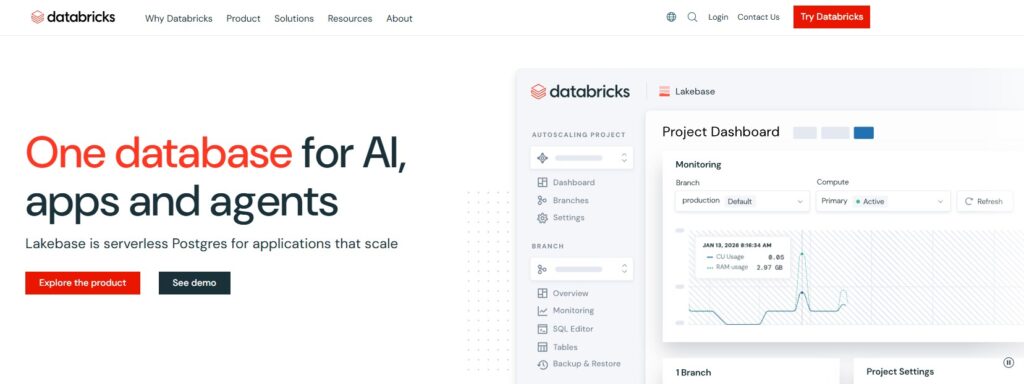
Sector: Data infrastructure and enterprise AI
Latest public signal: Databricks reached a reported $134 billion valuation after a large late-stage round.
Why it is hot: The company sits where business data, analytics, governance, and AI meet. Its large customer base gives it a direct path to sell AI tools to teams that already store and process data on the platform.
4. Moonshot AI
Sector: Foundation models and consumer AI
Latest public signal: Moonshot AI was valued at about $50 billion and filed for a Hong Kong IPO in September 2026 after raising more than $5.5 billion.
Why it is hot: Its Kimi model family has become a major Chinese AI platform. Large backers, growing cloud talks, and a planned public listing make Moonshot one of the most important AI startups outside the United States.
5. Anysphere, maker of Cursor
Sector: AI coding
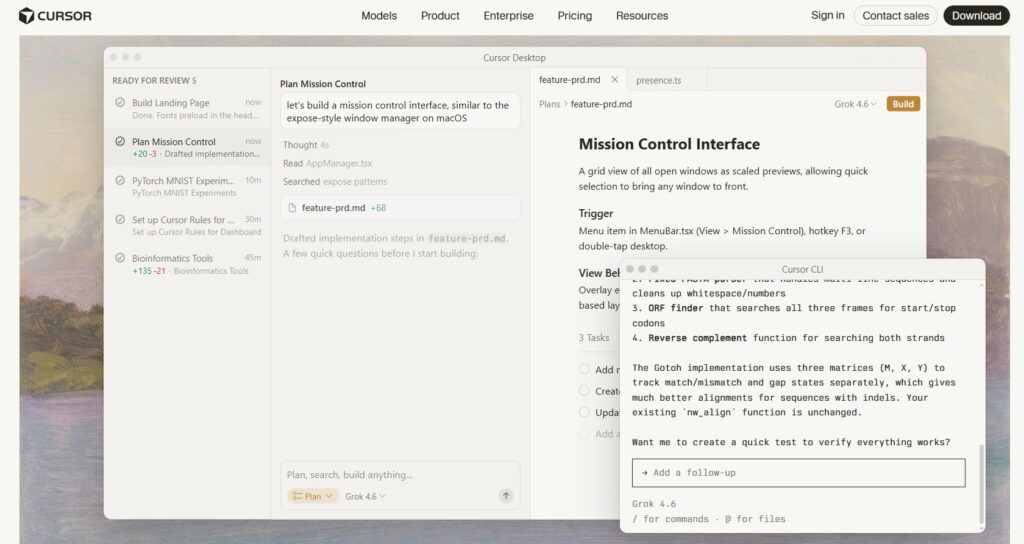
Latest public signal: Cursor was last valued at $29.3 billion, while reports in 2026 said it was discussing a round at a much higher value.
Why it is hot: Cursor helped turn AI coding from a helper into a daily work layer for developers. Fast revenue growth, enterprise use, and its own models make it one of the clearest product-growth stories in AI.
6. Anduril

Sector: Defense AI and autonomous systems
Latest public signal: Anduril has raised billions of dollars and won large defense contracts across software, drones, sensors, and autonomous vehicles.
Why it is hot: Defense demand is moving toward software-led systems. Anduril combines AI, hardware, and government contracts in a way few startups can match.
7. Figure AI

Sector: Humanoid robotics
Latest public signal: Figure has attracted major strategic investors and one of the highest reported valuations in private robotics.
Why it is hot: The company is trying to place general-purpose humanoid robots in factories and real work settings. Its mix of robot hardware, AI models, and manufacturing partners gives it a strong position.
8. Etched
Sector: AI chips
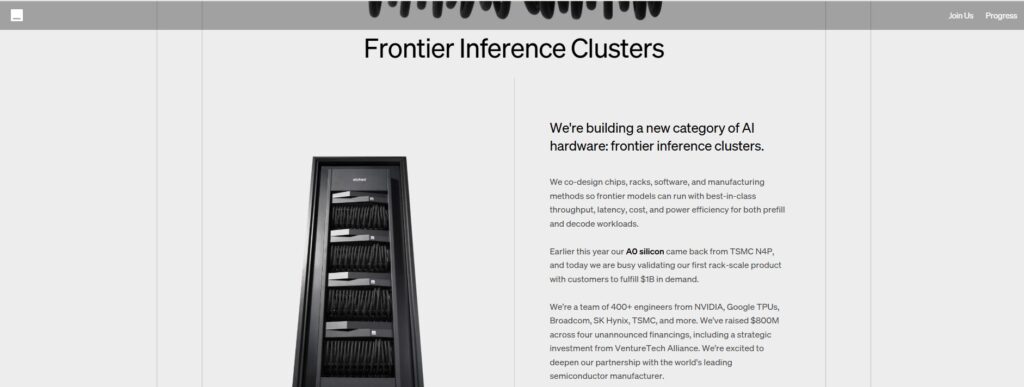
Latest public signal: Etched raised $700 million at a $21 billion valuation in August 2026, more than doubling its value in less than a month.
Why it is hot: Etched is building chips made for transformer inference. If its narrow design delivers better speed and cost, it could win a valuable place beside general-purpose AI chips.
9. Perplexity

Sector: AI search and answer engines
Latest public signal: Perplexity has raised large rounds, signed device and distribution deals, and grown across consumer and enterprise search.
Why it is hot: It made cited, conversational search easy to use. The company is now pushing into browsers, shopping, work search, and wider distribution.
10. Thinking Machines Lab
Sector: Frontier AI research
Latest public signal: The company launched with a $2 billion seed round and a $12 billion valuation, with later reports discussing a far higher target.
Why it is hot: Founder Mira Murati and a team of experienced AI researchers give the company rare talent density. Investors are betting that its research can become a major model and product platform.
11. Safe Superintelligence
Sector: Frontier AI safety and research
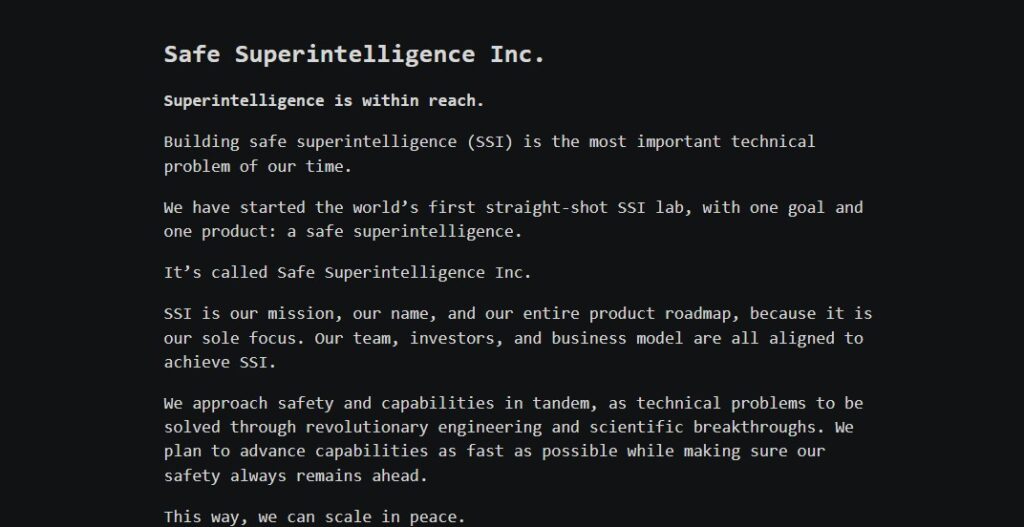
Latest public signal: Safe Superintelligence reached a reported $32 billion valuation after a major funding round.
Why it is hot: The company was founded by Ilya Sutskever and is focused on building safe superintelligence. It has no normal product yet, but its team and mission attract major capital.
12. Mistral AI

Sector: Foundation models and open models
Latest public signal: Mistral reached a reported $14 billion valuation after new strategic funding.
Why it is hot: Mistral is Europe’s strongest independent foundation-model company. It sells efficient models and enterprise tools while giving governments and businesses another option beyond US and Chinese providers.
13. Skild AI

Sector: Robotics foundation models
Latest public signal: Skild AI raised $1.4 billion at a $14 billion valuation in January 2026.
Why it is hot: Skild is building one general intelligence layer for many types of robots. The goal is to help machines learn skills across different bodies and work settings.
14. Scale AI
Sector: Training data, evaluation, and AI infrastructure
Latest public signal: Scale AI reached a $14 billion valuation in a major strategic transaction and remains a key data partner for model builders and governments.
Why it is hot: Better models need better data, testing, and human feedback. Scale’s large project history and government work keep it important even as the data market changes.
15. OpenEvidence
Sector: Medical AI search
Latest public signal: OpenEvidence raised $250 million at a $12 billion valuation in January 2026.
Why it is hot: It gives doctors fast answers linked to medical evidence. Strong use among clinicians shows how focused AI products can earn trust in high-value work.
16. Harvey
Sector: Legal AI
Latest public signal: Harvey confirmed a $200 million round at an $11 billion valuation in March 2026 and has raised more than $1 billion.
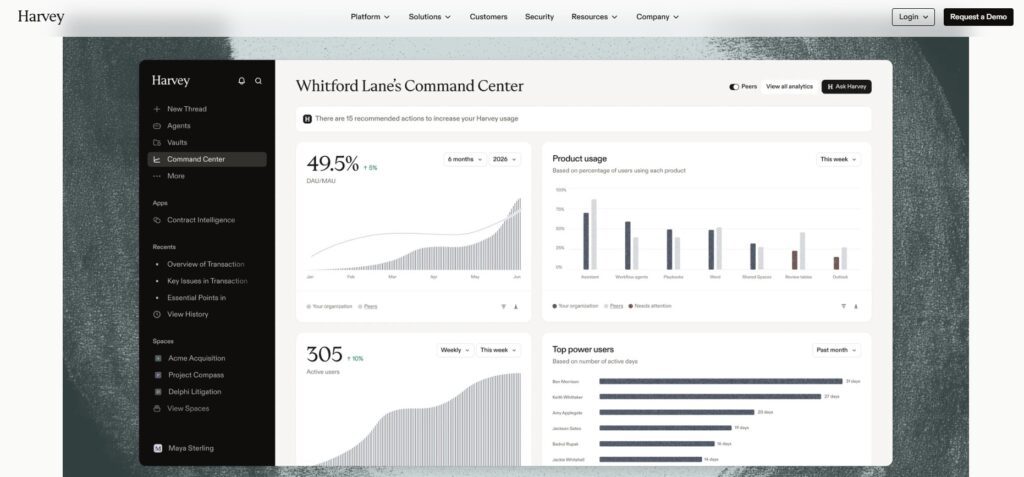
Why it is hot: Harvey helps law firms and legal teams research, draft, review, and manage knowledge. Its fast valuation rise reflects strong demand for AI built around a clear professional workflow.
17. ElevenLabs
Sector: Voice AI and audio generation
Latest public signal: ElevenLabs raised $500 million at an $11 billion valuation in February 2026.
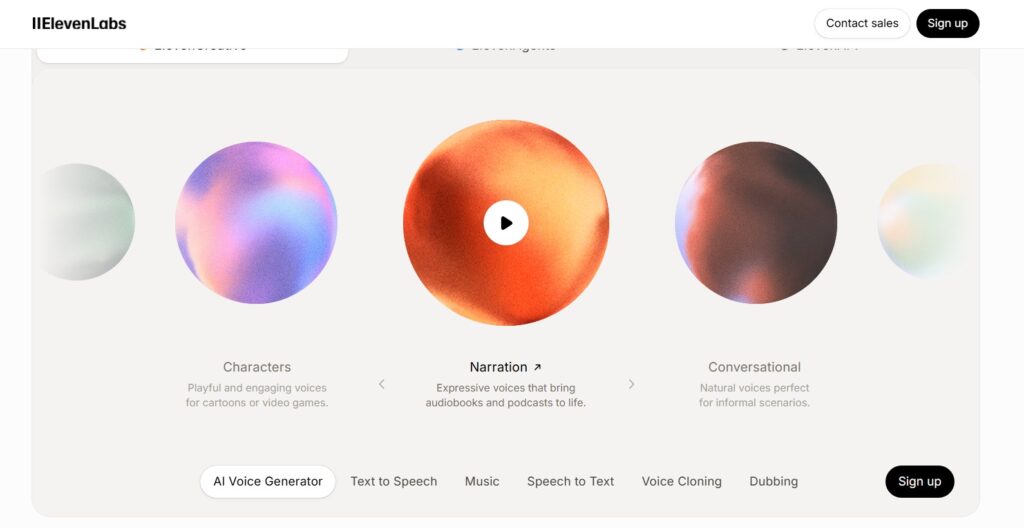
Why it is hot: Its voice tools are used for media, games, agents, dubbing, and business audio. The company keeps adding languages and tools while improving voice quality and control.
18. Sierra

Sector: Enterprise customer-service agents
Latest public signal: Sierra reached a $10 billion valuation and reported that annual recurring revenue moved from $100 million to $200 million in only two quarters.
Why it is hot: Sierra sells AI agents that can solve customer requests, not only answer simple questions. Fast revenue growth places it among the fastest-growing AI startups of 2026.
19. Glean
Sector: Enterprise search and work AI
Latest public signal: Glean reached a $7.2 billion valuation in its last reported funding round.
Why it is hot: Glean connects company knowledge across many apps and lets workers find answers with AI. It benefits from a clear business need and deep links with enterprise data.
20. Surge AI
Sector: AI training data and evaluation
Latest public signal: Surge AI has grown into a large data provider with major model-lab customers, though it shares limited funding and valuation data.
Why it is hot: Frontier models need careful human feedback, expert data, and hard tests. Surge has become a serious rival in this high-value part of the AI stack.
21. Cohere

Sector: Enterprise foundation models
Latest public signal: Cohere has raised more than $900 million and was valued at about $5.5 billion in its last widely reported round.
Why it is hot: Cohere focuses on secure business use, private deployment, retrieval, and multilingual models. This is useful for companies that do not want all data inside a consumer AI product.
22. Runway

Sector: Generative video
Latest public signal: Runway raised $315 million at a $5.3 billion valuation in February 2026.
Why it is hot: Runway is moving from short AI clips toward a full creative production platform. Its tools serve filmmakers, brands, designers, and media teams.
23. Baseten
Sector: AI model deployment and inference
Latest public signal: Baseten raised $300 million at a $5 billion valuation in January 2026.
Why it is hot: Companies need fast and reliable ways to run AI models in production. Baseten handles deployment, scaling, and inference so product teams can focus on their applications.
24. SambaNova Systems
Sector: AI chips and enterprise systems
Latest public signal: SambaNova has raised more than $1 billion and was valued above $5 billion in its last major disclosed round.
Why it is hot: It offers a full hardware and software system for private enterprise AI. Demand for alternatives to standard GPU stacks keeps the company relevant.
25. Crusoe
Sector: AI cloud and data centers
Latest public signal: Crusoe raised a large late-stage round and was reported at a valuation above $10 billion.
Why it is hot: Crusoe builds power and compute infrastructure for AI workloads. Its advantage is control over both energy and data-center design.
26. Groq
Sector: AI inference chips and cloud
Latest public signal: Groq has raised large rounds to expand its language processing units and cloud service.
Why it is hot: Groq is known for very fast model output. As inference becomes a larger share of AI costs, speed and cost per answer matter more.
27. Cerebras Systems
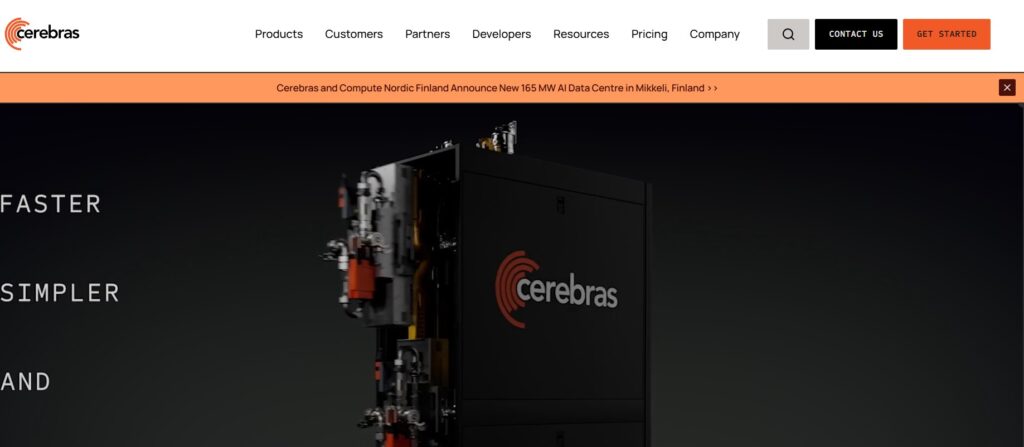
Sector: AI chips and supercomputing
Latest public signal: Cerebras has raised hundreds of millions of dollars and prepared for a public listing while expanding model training and inference services.
Why it is hot: Its wafer-scale chips take a very different path from normal GPU design. That gives buyers another option for large AI workloads.
28. Together AI
Sector: AI cloud and open-model infrastructure
Latest public signal: Together AI reached a multibillion-dollar valuation after a $300 million funding round.
Why it is hot: The platform helps teams train, tune, and run open models. It benefits from the push for lower cost and more control than closed model APIs can offer.
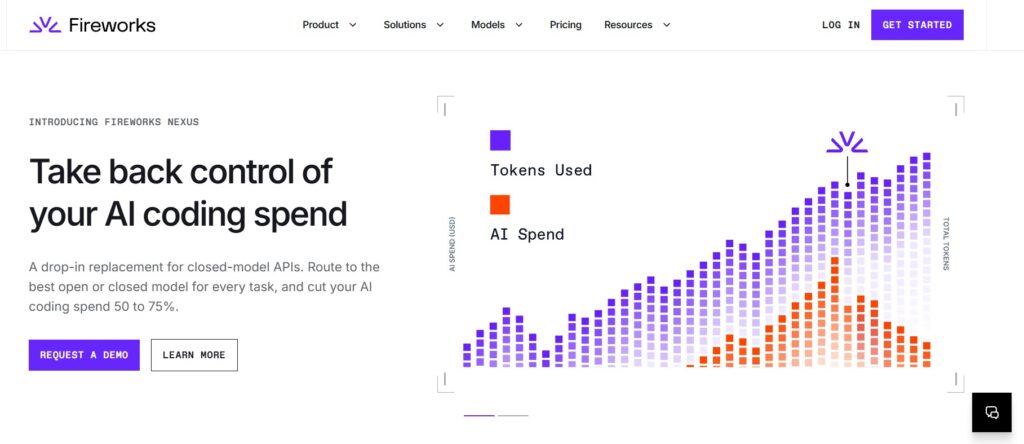
29. Fireworks AI
Sector: Generative AI inference
Latest public signal: Fireworks AI has raised major growth funding and joined the Forbes AI 50 as demand for faster inference grew.
Why it is hot: It helps developers serve and tune models with strong speed and cost control. Inference is becoming a major market as more AI products reach real users.
30. Lambda
Sector: GPU cloud and AI infrastructure
Latest public signal: Lambda has raised large equity and debt rounds to grow its GPU cloud and data-center capacity.
Why it is hot: AI labs and startups need access to scarce compute without building their own centers. Lambda gives them another large supplier.
31. Nscale
Sector: AI cloud and data centers
Latest public signal: Nscale has announced large funding and infrastructure plans across Europe and other markets.
Why it is hot: Countries and large companies want local AI compute. Nscale is building capacity for that demand, with a focus on high-density AI systems.
32. Modal
Sector: Serverless AI infrastructure
Latest public signal: Modal reached unicorn status as developers adopted its simple way to run GPU and compute jobs.
Why it is hot: It removes much of the setup work from AI infrastructure. Developers can turn code into scalable cloud jobs without managing servers.
33. VAST Data
Sector: AI data infrastructure
Latest public signal: VAST Data reached a reported valuation above $9 billion after strong growth with large AI and enterprise customers.
Why it is hot: AI systems need fast access to huge data sets. VAST combines storage, databases, and compute access for large model workloads.
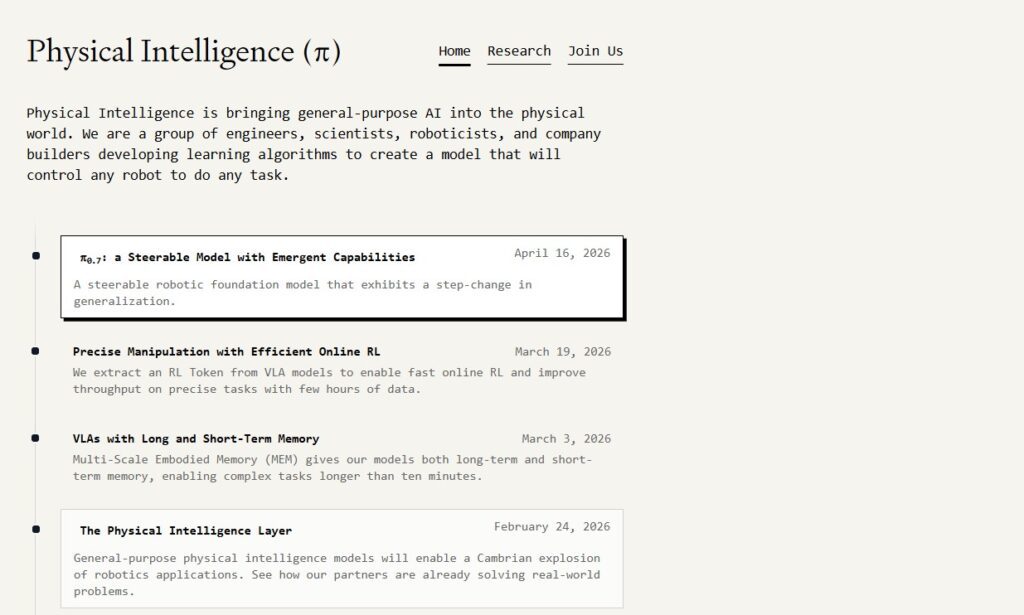
34. Physical Intelligence
Sector: Robotics foundation models
Latest public signal: Physical Intelligence raised major funding at a multibillion-dollar valuation and joined the Forbes AI 50.
Why it is hot: The company is training general models that can control different robots. This could reduce the need to build a separate brain for every machine.
35. Humans&

Sector: Frontier AI and human collaboration
Latest public signal: humans& raised $480 million at a $4.48 billion valuation in a January 2026 seed round.
Why it is hot: The founding team includes researchers from top AI labs. Its large seed round shows strong demand for new approaches beyond standard chatbots.
36. Decagon

Sector: Customer-service AI agents
Latest public signal: Decagon raised $250 million at a $4.5 billion valuation in January 2026.
Why it is hot: Decagon builds agents that can understand support issues and take action across company systems. It is growing in the same valuable market as Sierra.
37. Abridge

Sector: Clinical documentation AI
Latest public signal: Abridge has reached a multibillion-dollar valuation after large health-system deals and new funding.
Why it is hot: It turns doctor-patient talks into useful clinical notes. Health systems can save staff time while keeping doctors focused on patients.
38. Hippocratic AI

Sector: Healthcare AI agents
Latest public signal: Hippocratic AI reached a multibillion-dollar valuation after raising large rounds for safe healthcare agents.
Why it is hot: The company focuses on non-diagnostic tasks such as patient support, follow-ups, and care guidance. Healthcare has many costly workflows that voice agents can help handle.
39. Ambience Healthcare
Sector: Clinical AI software
Latest public signal: Ambience has raised major funding and expanded across hospitals and medical groups.
Why it is hot: Its ambient AI listens during care and helps create notes, codes, and follow-up work. The product can save time across many medical roles.
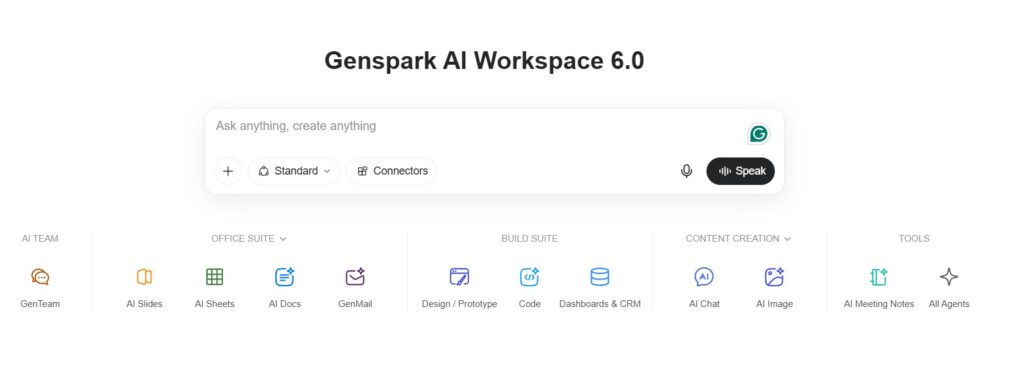
40. Genspark
Sector: AI agents and work search
Latest public signal: Genspark raised $100 million at a $2.6 billion valuation in June 2026.
Why it is hot: Genspark moved from AI search into agents that can research and complete tasks. Fast funding and product releases show strong momentum.
41. Lovable
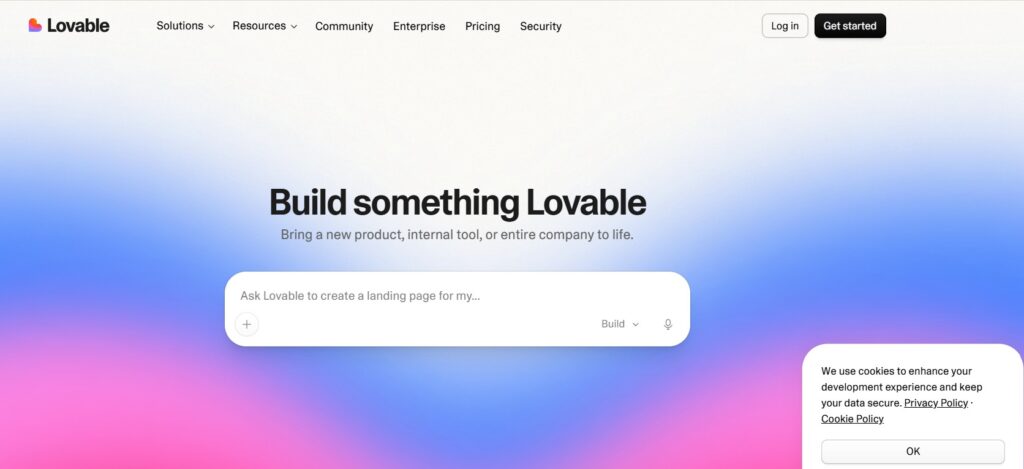
Sector: AI app building
Latest public signal: Lovable reached unicorn status after very fast product and revenue growth.
Why it is hot: It lets users build working software from plain-language prompts. Strong product-led growth made it one of Europe’s best-known generative AI startups.
42. Replit
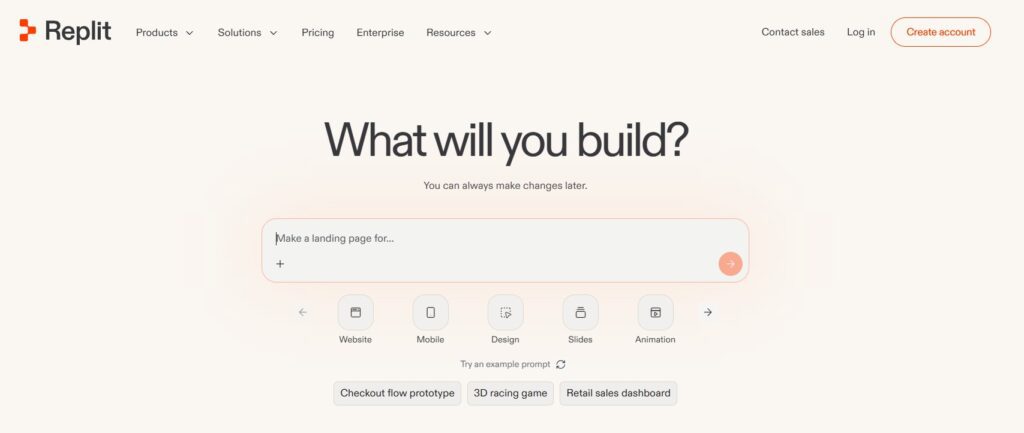
Sector: AI coding and app building
Latest public signal: Replit returned to fast growth through its agent product and joined the 2026 Forbes AI 50.
Why it is hot: Replit joins coding, hosting, and deployment in one place. Its agent can take an idea from prompt to a live app, which helps non-expert builders.
43. Cognition
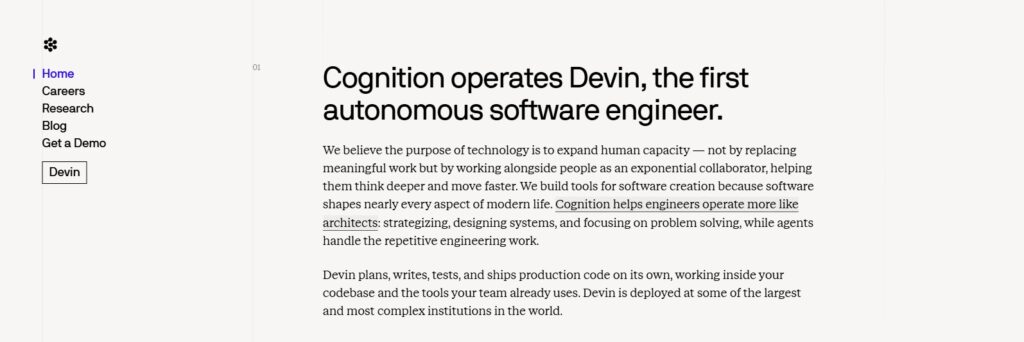
Sector: Autonomous coding agents
Latest public signal: Cognition reached a reported $10.2 billion valuation and grew annual recurring revenue quickly.
Why it is hot: Devin pushed the idea of an AI software engineer into the market. Cognition’s product growth and deals around coding tools make it a major player.
44. Mercor
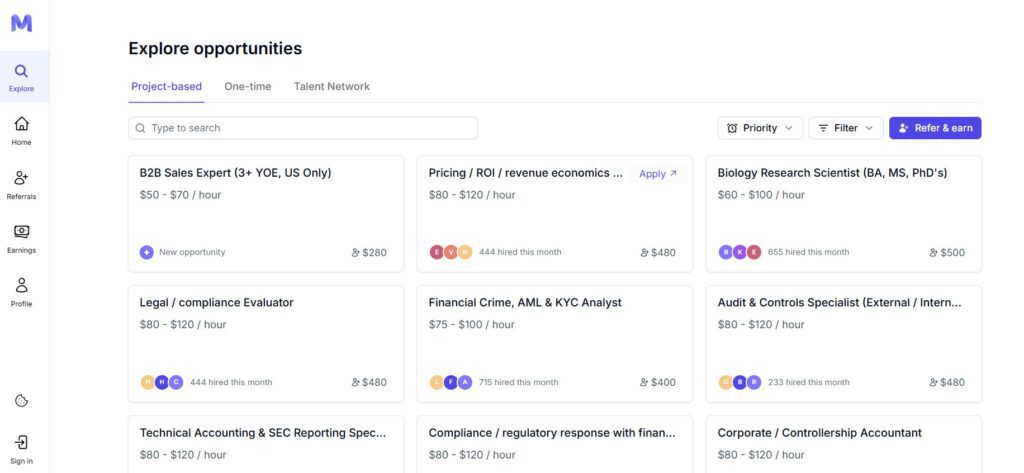
Sector: AI hiring and talent
Latest public signal: Mercor reached a multibillion-dollar valuation after fast revenue growth and strong demand for expert talent.
Why it is hot: It uses AI to match skilled people with companies and model-training work. The company benefits from demand for expert human data and flexible knowledge work.
45. Poolside
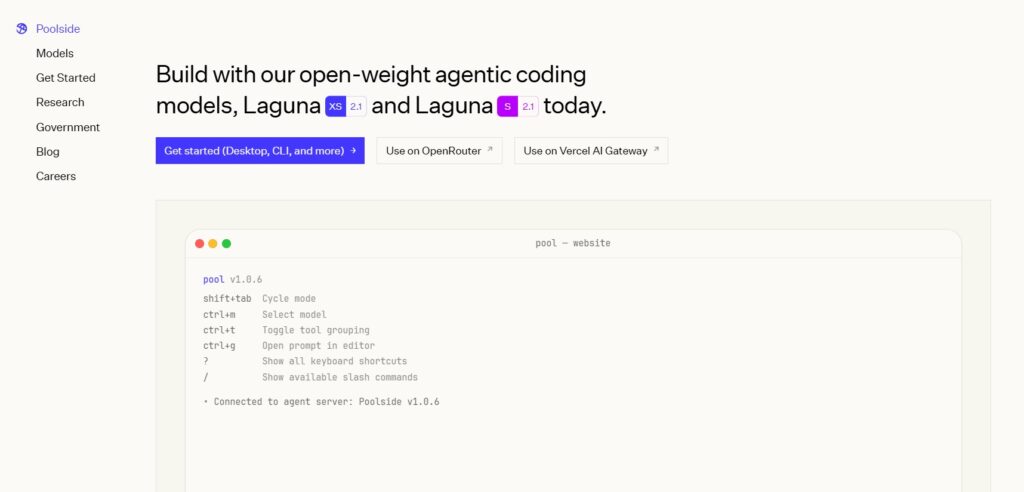
Sector: AI coding models
Latest public signal: Poolside raised hundreds of millions of dollars at a multibillion-dollar valuation.
Why it is hot: It is building models focused on software work and enterprise control. The company aims to compete through its own research, training data, and secure deployments.
46. Magic
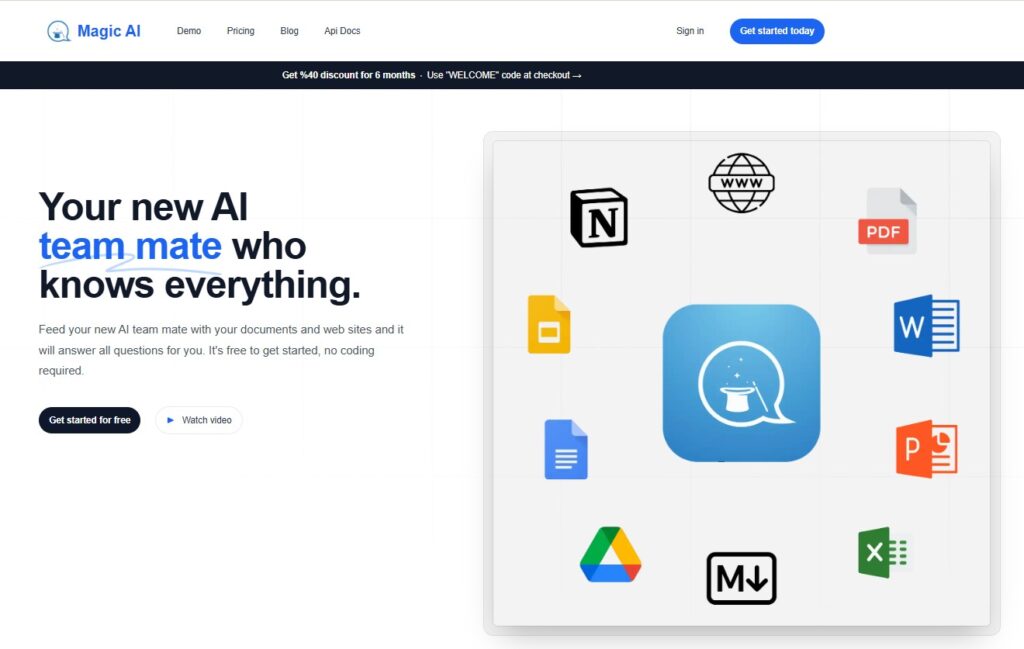
Sector: AI coding research
Latest public signal: Magic has raised more than $500 million to build models that can work with very large code contexts.
Why it is hot: Long context may help AI understand whole software systems instead of single files. That is a valuable problem for large engineering teams.
47. Augment Code
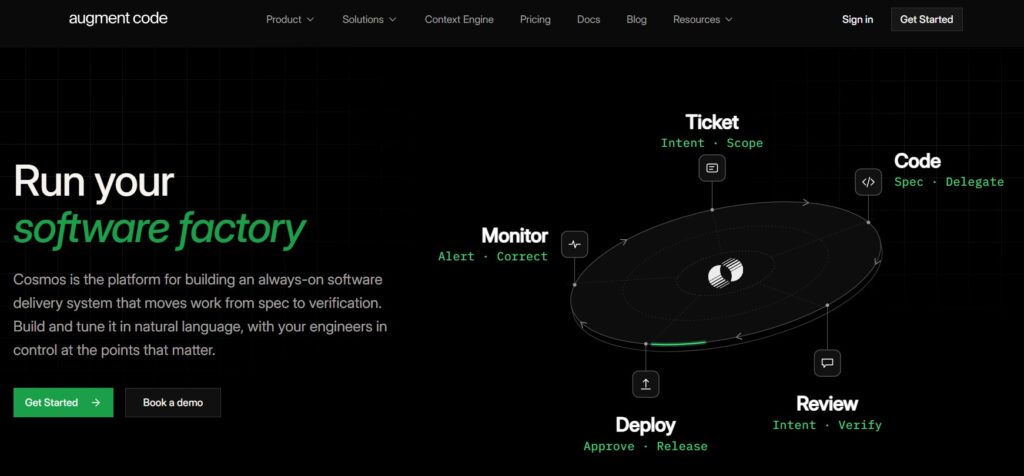
Sector: Enterprise AI coding
Latest public signal: Augment raised a large Series B near a $1 billion valuation and expanded its enterprise product.
Why it is hot: Augment focuses on large codebases, team context, security, and business controls. That makes it a clear alternative to consumer-first coding tools.
48. StackBlitz, maker of Bolt
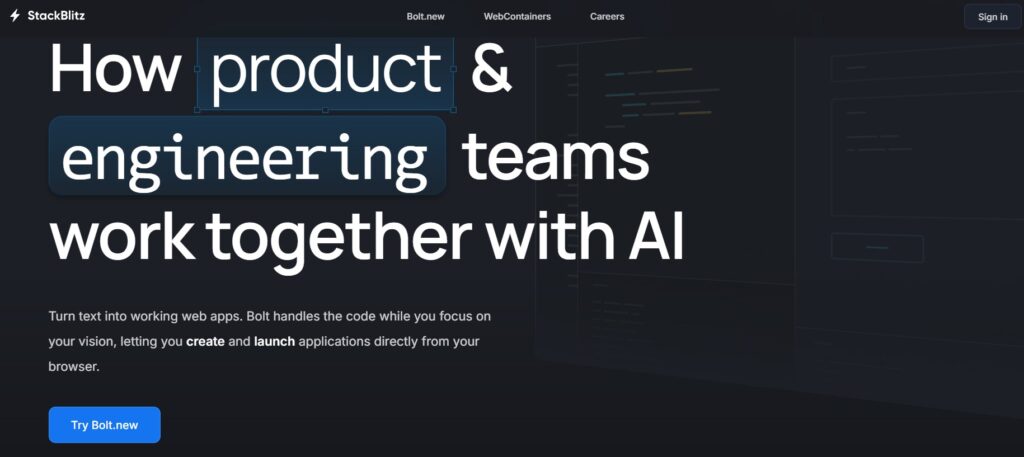
Sector: AI app building
Latest public signal: Bolt grew quickly after letting users create and run full web apps inside a browser.
Why it is hot: It combines AI generation with a live development environment. Users can move from an idea to working software with fewer tools and less setup.
49. Sourcegraph
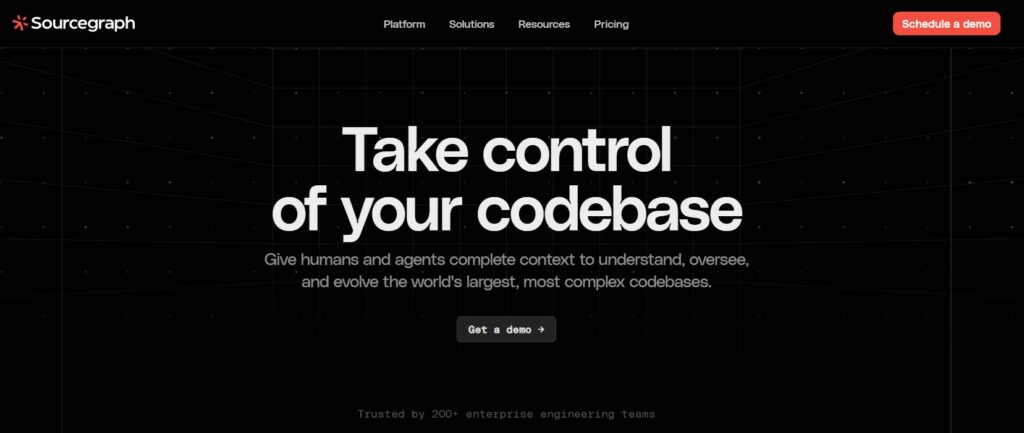
Sector: Code search and AI coding
Latest public signal: Sourcegraph has raised more than $200 million and built a large base among teams with complex code.
Why it is hot: Its strength is understanding large codebases. That context is useful for agents that must make safe changes across many files.
50. LangChain

Sector: AI agent development tools
Latest public signal: LangChain reached unicorn status as its open-source tools and LangSmith platform gained wide use.
Why it is hot: Many teams use LangChain to connect models, data, tools, and agent steps. LangSmith adds testing and monitoring for systems that are hard to check.
51. LlamaIndex
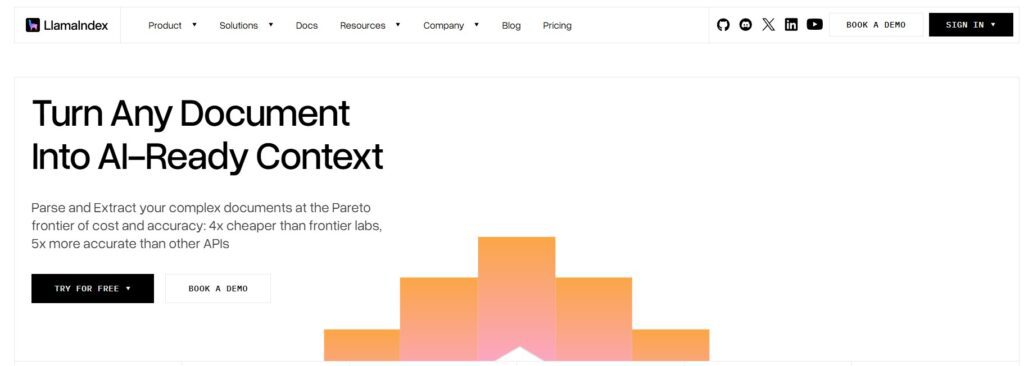
Sector: Data tools for AI agents
Latest public signal: LlamaIndex has raised venture funding and grown from an open-source library into an agent and document platform.
Why it is hot: Agents need access to business data before they can do useful work. LlamaIndex helps developers prepare, search, and use that data.
52. Pinecone
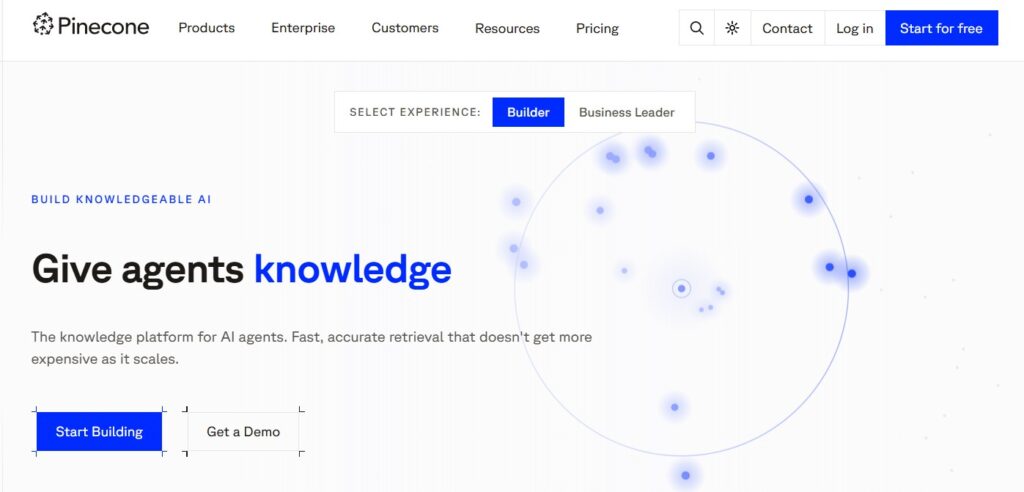
Sector: Vector database
Latest public signal: Pinecone became a unicorn during the first wave of generative AI infrastructure funding.
Why it is hot: Its managed database helps AI apps find relevant information quickly. Retrieval remains a core need for agents, search, and private company knowledge.
53. Weaviate
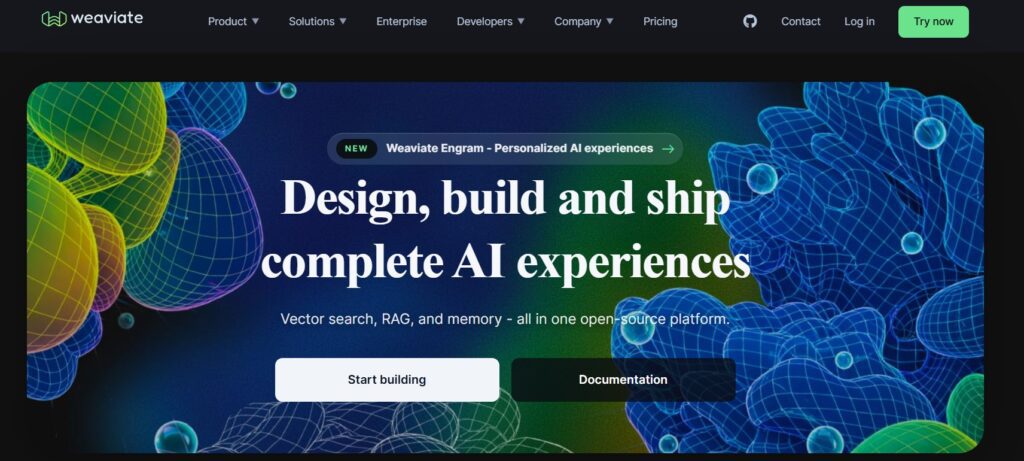
Sector: Open-source vector database
Latest public signal: Weaviate has raised more than $100 million and grown a large open-source developer base.
Why it is hot: It helps teams store and search data by meaning. Open deployment choices appeal to companies that want control over their AI stack.
54. Qdrant

Sector: Vector search infrastructure
Latest public signal: Qdrant has raised growth funding while its open-source vector engine gained developer use.
Why it is hot: Qdrant offers fast similarity search for retrieval and recommendation systems. Its simple developer tools make it a popular infrastructure choice.
55. Replicate
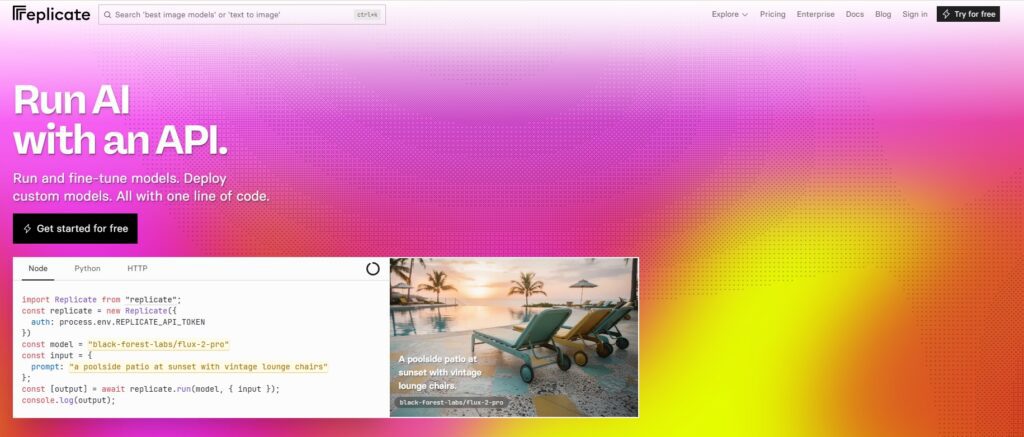
Sector: AI model hosting
Latest public signal: Replicate has raised more than $50 million and built a broad catalog of models that developers can run through APIs.
Why it is hot: It makes open models easier to test and ship without managing infrastructure. That helps small teams build quickly.
56. Anyscale
Sector: Distributed AI computing
Latest public signal: Anyscale has raised more than $250 million and expanded the commercial platform around Ray.
Why it is hot: Ray is widely used to scale Python and AI workloads. Anyscale turns that open-source base into a managed platform for training and inference.
57. Fal.ai
Sector: Media AI infrastructure
Latest public signal: Fal raised major funding and joined the Forbes AI 50 as image, video, and audio use grew.
Why it is hot: Fal helps developers run media-generation models with low delay. It sits behind the creative apps that need fast and reliable output.
58. Black Forest Labs

Sector: Image generation models
Latest public signal: Black Forest Labs raised large rounds and joined the 2026 Forbes AI 50 after strong adoption of its FLUX models.
Why it is hot: FLUX became a leading image model family for developers and creative tools. The company benefits from open use and strong visual quality.
59. Midjourney

Sector: AI image generation
Latest public signal: Midjourney has grown with little outside funding and built a large paid user base.
Why it is hot: Strong image quality and a clear creative style made Midjourney one of the best-known generative AI products. Its capital efficiency also stands out.
60. Suno

Sector: AI music generation
Latest public signal: Suno raised major funding and earned a place on the 2026 Forbes AI 50.
Why it is hot: Suno lets users create complete songs from prompts. Fast consumer use shows that AI media can build strong products outside text and images.
61. Synthesia
Sector: AI avatar video
Latest public signal: Synthesia reached a multibillion-dollar valuation and continued growing with enterprise learning and communications teams.
Why it is hot: Companies use Synthesia to create training and business videos without studios. Its focus on safe enterprise use gives it a clear market.
62. HeyGen

Sector: AI video and avatars
Latest public signal: HeyGen grew revenue quickly, raised major funding, and joined the 2026 Forbes AI 50.
Why it is hot: Its avatars, translation, and lip-sync tools help creators and businesses make video in many languages. The product is easy to try and share.
63. Pika
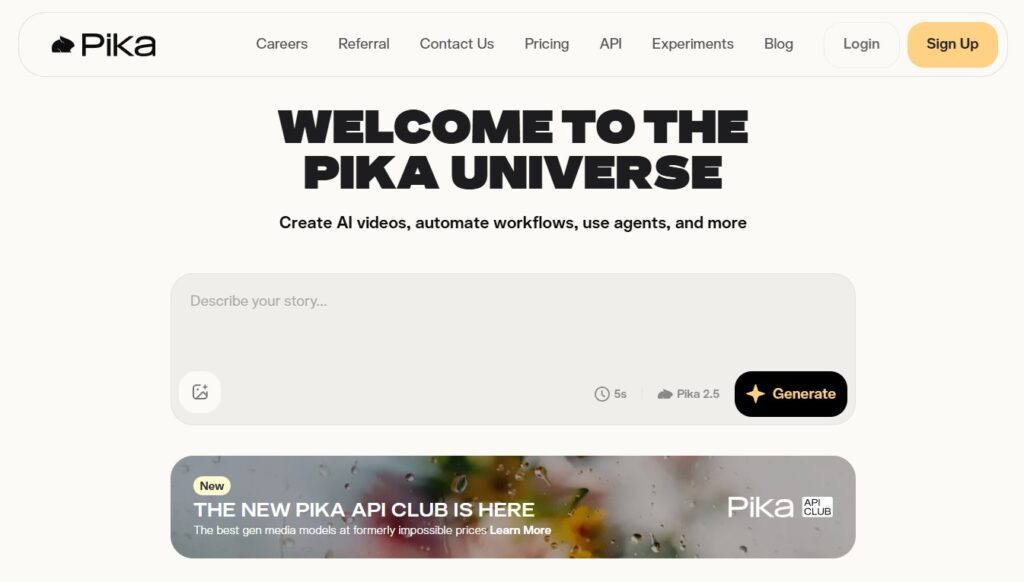
Sector: Generative video
Latest public signal: Pika has raised more than $100 million and built a large consumer creator base.
Why it is hot: Pika makes short AI video creation fast and playful. It competes through product speed, effects, and ease of use.
64. Luma AI
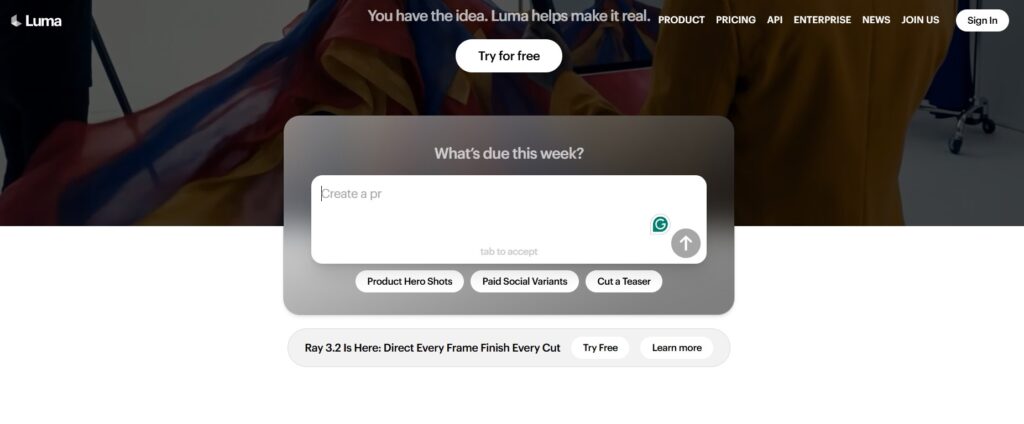
Sector: Generative video and 3D
Latest public signal: Luma raised large funding rounds after growth in its Dream Machine video product.
Why it is hot: Luma works across video, images, and 3D scenes. Its research and consumer reach make it a strong creative AI company.
65. Krea
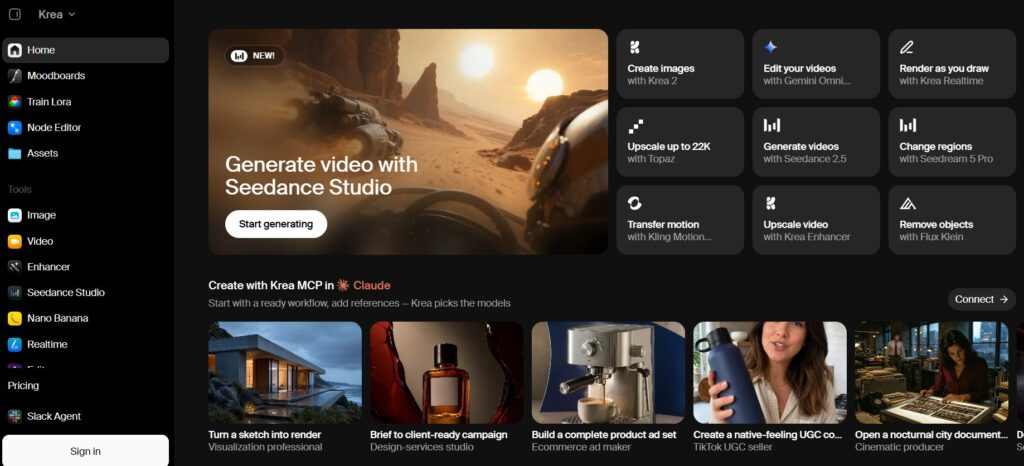
Sector: Creative AI tools
Latest public signal: Krea joined the 2026 Forbes AI 50 after fast growth with designers and creators.
Why it is hot: The platform brings image, video, enhancement, and real-time generation into one simple workspace. It gives users more control than a single prompt box.
66. World Labs

Sector: Spatial intelligence and world models
Latest public signal: World Labs raised more than $200 million and reached unicorn status soon after launch.
Why it is hot: Founder Fei-Fei Li is building models that understand and create 3D worlds. Spatial AI could become important for robots, games, design, and simulation.
67. Captions
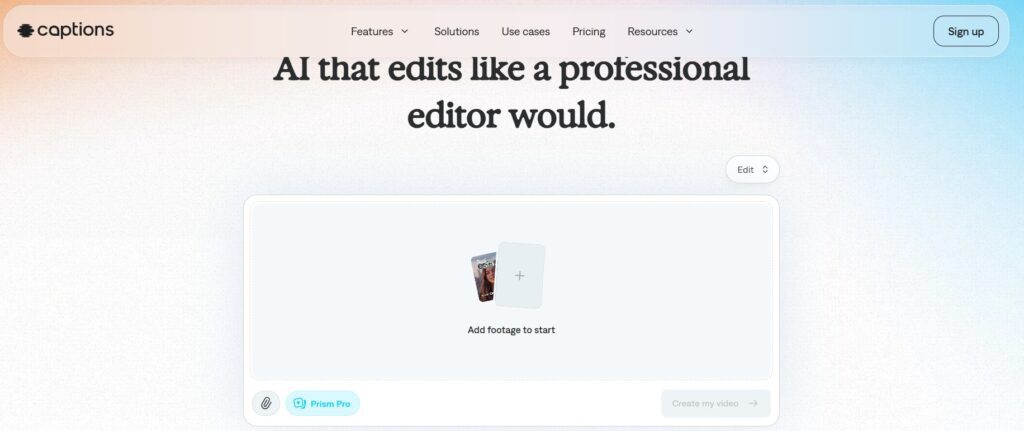
Sector: AI video creation
Latest public signal: Captions reached unicorn status after strong mobile and creator growth.
Why it is hot: It helps people script, record, edit, dub, and improve videos using AI. The full workflow is useful to creators and marketing teams.
68. Twelve Labs

Sector: Video understanding
Latest public signal: Twelve Labs has raised more than $100 million to build models that search and understand video.
Why it is hot: Most company video is hard to search. Twelve Labs turns speech, scenes, actions, and visual details into useful data for products and archives.
69. Character.AI

Sector: Consumer conversational AI
Latest public signal: Character.AI reached tens of millions of users and completed a major licensing and talent deal with Google.
Why it is hot: It proved that people want AI characters for entertainment and conversation. Safety, cost, and monetization remain important tests for its next stage.
70. Writer

Sector: Enterprise generative AI
Latest public signal: Writer reached a reported $1.9 billion valuation and expanded with large business customers.
Why it is hot: Writer offers models, agents, governance, and business workflows in one platform. It focuses on secure company use rather than general consumer chat.
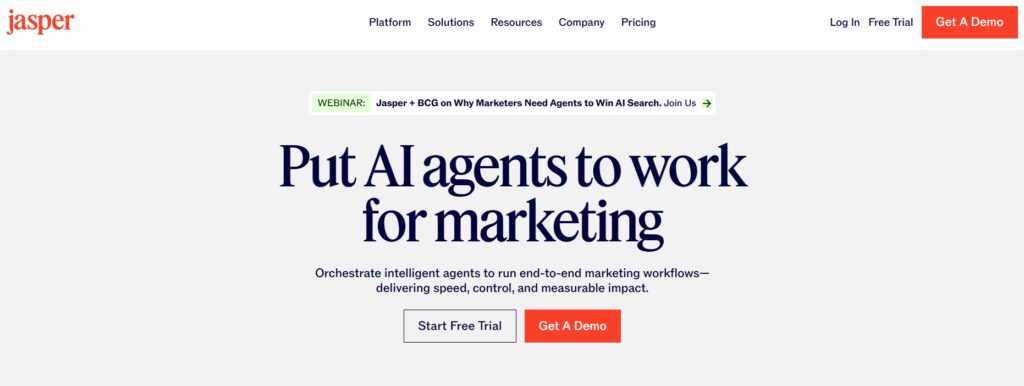
71. Jasper
Sector: Marketing AI
Latest public signal: Jasper has raised more than $140 million and shifted from general AI writing toward marketing teams and brand control.
Why it is hot: Its strength is marketing workflow, brand voice, and campaign content. The company is an early AI application leader adapting to a crowded market.
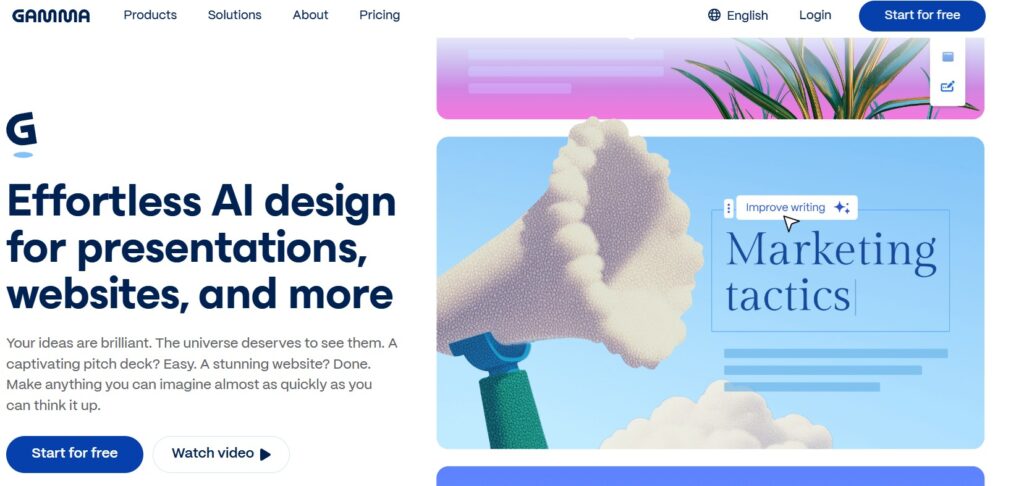
72. Gamma
Sector: AI presentations and documents
Latest public signal: Gamma reached a reported $2.1 billion valuation after raising only about $87 million.
Why it is hot: Gamma grew through an easy product that turns ideas into polished pages and decks. Its high value compared with funding shows strong product-led growth.
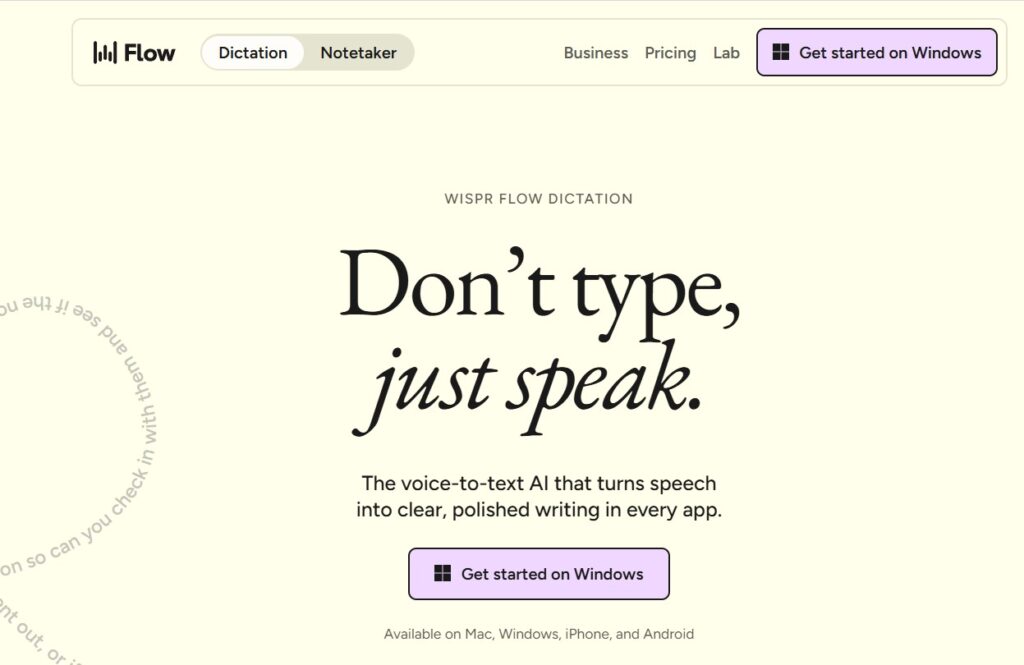
73. Wispr Flow
Sector: Voice input and productivity
Latest public signal: Wispr Flow reached a $2 billion valuation in August 2026 and has raised $361 million in total.
Why it is hot: It turns natural speech into clean writing across apps. Voice input is becoming more useful as people work with AI agents and mobile devices.
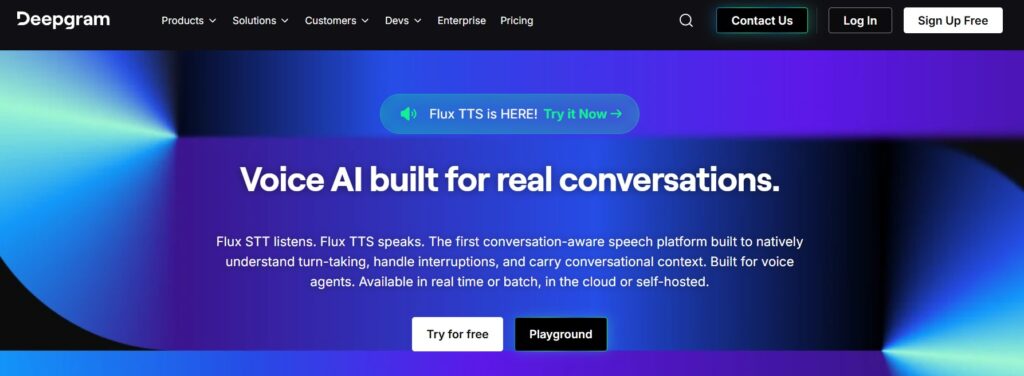
74. Deepgram
Sector: Speech AI
Latest public signal: Deepgram raised $130 million at a $1.3 billion valuation in January 2026.
Why it is hot: Voice agents need fast speech recognition and natural audio. Deepgram provides the real-time speech layer for many call, support, and agent products.
75. LMArena
Sector: AI model evaluation
Latest public signal: LMArena raised $150 million at a $1.7 billion valuation in January 2026 and later reached a $100 million annualized revenue run rate.
Why it is hot: Its public model battles became a trusted way to compare AI systems. It is turning that research role into a commercial evaluation business.
76. Goodfire

Sector: AI model understanding and control
Latest public signal: Goodfire raised $150 million at a $1.25 billion valuation in February 2026.
Why it is hot: The company studies how models work inside and helps teams guide their behavior. Better model control is important for safety and business use.
77. Fundamental

Sector: AI research and enterprise data
Latest public signal: Fundamental raised $255 million at a $1.4 billion valuation in February 2026.
Why it is hot: It is building models for structured business data and complex analysis. This targets a large area that normal chat models do not always handle well.
78. Reflection AI
Sector: Open foundation models and agents
Latest public signal: Reflection AI raised large rounds, hired experienced researchers, and joined the Forbes AI 50.
Why it is hot: The company wants to build capable open models and autonomous systems. The open-model market remains valuable for businesses that want control.
79. Sakana AI
Sector: AI research and model development
Latest public signal: Sakana AI reached unicorn status quickly and gained backing from major Japanese and global investors.
Why it is hot: It explores nature-inspired ways to combine and improve models. Sakana is also a major independent AI lab in Japan.
80. DeepSeek

Sector: Foundation models
Latest public signal: DeepSeek became one of the most watched Chinese AI labs through efficient open models and strong global developer use.
Why it is hot: Its models increased pressure on closed labs to lower prices and publish better reasoning systems. It has strong influence even with limited public funding data.
81. MiniMax
Sector: Foundation models and consumer AI
Latest public signal: MiniMax grew across text, voice, video, and consumer characters, then moved toward public markets.
Why it is hot: It has a broad multimodal product set and strong reach in China. Its progress shows that the foundation-model race is global.
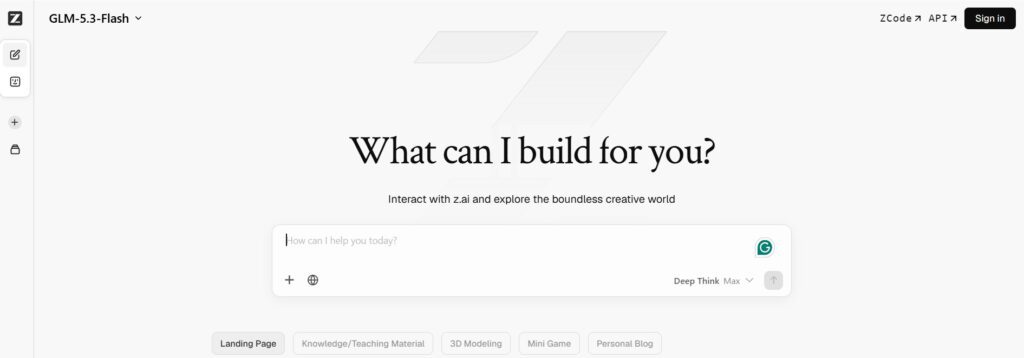
82. Z.AI
Sector: Foundation models
Latest public signal: Z.AI, formerly known as Zhipu AI, grew through commercial GLM models and began its public-market path.
Why it is hot: It is one of China’s leading model companies, serving developers, businesses, and government-linked customers.
83. Aleph Alpha

Sector: Sovereign enterprise AI
Latest public signal: Aleph Alpha has raised more than $500 million with support from major German companies and public partners.
Why it is hot: It focuses on explainable and controlled AI for governments and regulated industries. European demand for local AI keeps this position useful.
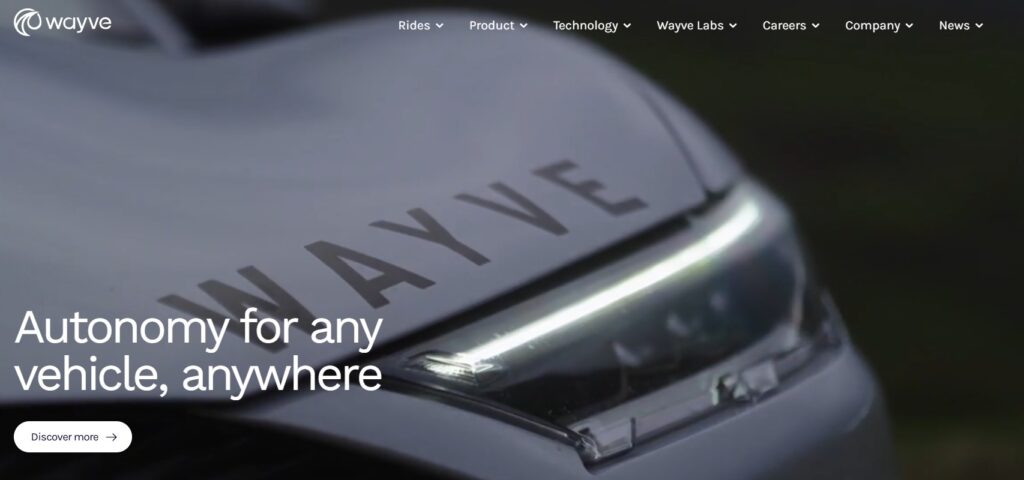
84. Wayve
Sector: Autonomous driving
Latest public signal: Wayve raised more than $1 billion in a major round and expanded tests and partnerships.
Why it is hot: Wayve uses an end-to-end AI approach instead of many hand-built driving rules. It is one of Europe’s strongest autonomous vehicle startups.
85. Applied Intuition

Sector: Vehicle software and simulation
Latest public signal: Applied Intuition reached a multibillion-dollar valuation and expanded across carmakers, defense, and autonomous systems.
Why it is hot: It provides simulation and software tools that help teams build and test intelligent vehicles faster.
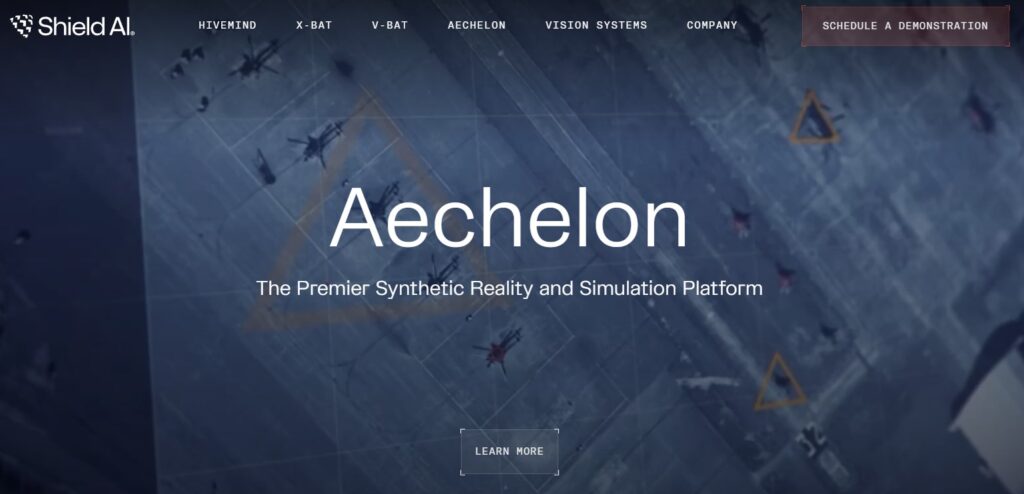
86. Shield AI
Sector: Defense autonomy
Latest public signal: Shield AI raised large funding rounds and grew work around autonomous aircraft and defense software.
Why it is hot: Its Hivemind software aims to let aircraft act without GPS or remote pilots. That fits growing defense demand for autonomous systems.
87. 1X

Sector: Humanoid robotics
Latest public signal: 1X has raised major funding and begun testing home-focused humanoid robots.
Why it is hot: While many rivals start in factories, 1X is aiming at everyday spaces. Real home use would open a very large market.
88. Apptronik

Sector: Humanoid robotics
Latest public signal: Apptronik raised hundreds of millions of dollars and signed manufacturing and workplace partners for its Apollo robot.
Why it is hot: Apollo is designed for useful work in warehouses and factories. Strong industry partners can help it move from tests to production.
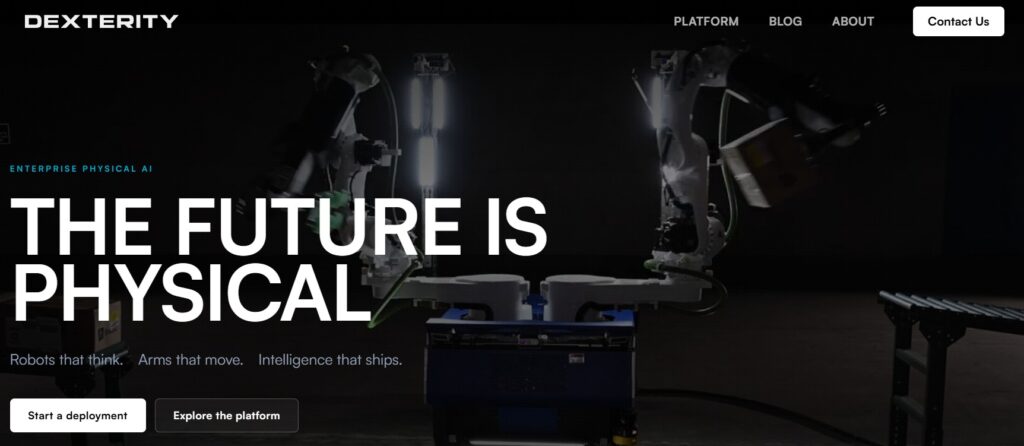
89. Dexterity
Sector: Warehouse robotics
Latest public signal: Dexterity has raised substantial private funding and deployed robots for difficult warehouse tasks.
Why it is hot: Its robots handle mixed items and changing work, where fixed automation struggles. Logistics offers clear savings and a path to large contracts.
90. Waabi

Sector: Autonomous trucking
Latest public signal: Waabi has raised more than $250 million and built partnerships for self-driving trucks.
Why it is hot: Its AI-first system and high-quality simulator aim to reduce the cost and time needed for safe autonomous driving.
91. Saronic
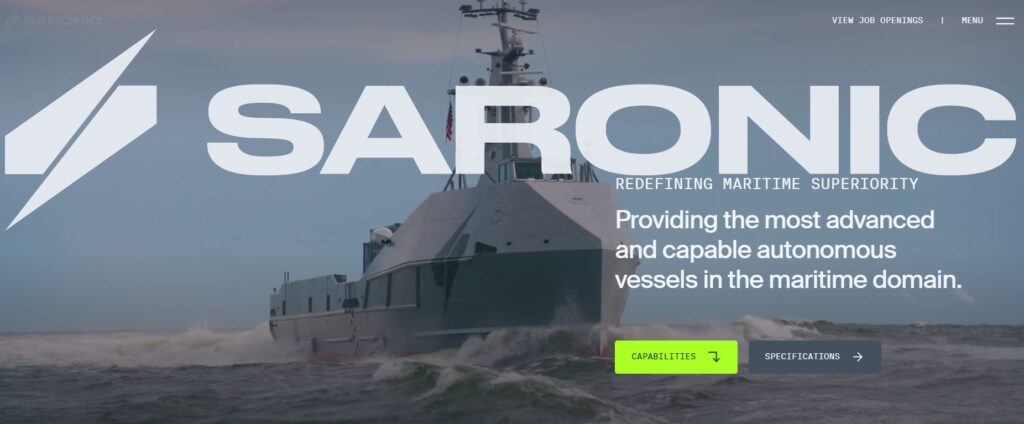
Sector: Autonomous defense ships
Latest public signal: Saronic reached a multibillion-dollar valuation after large funding for autonomous naval systems.
Why it is hot: The company builds unmanned vessels for defense missions. It sits at the meeting point of AI, robotics, shipbuilding, and rising defense budgets.
92. FieldAI

Sector: Robotics autonomy software
Latest public signal: FieldAI raised major funding to help robots work in hard and changing places.
Why it is hot: Its software is built for mines, energy sites, construction areas, and other spaces where maps and conditions change.
93. Zipline

Sector: Autonomous delivery
Latest public signal: Zipline has raised more than $800 million and completed millions of drone deliveries.
Why it is hot: Zipline has real operating scale in medical and retail delivery. Its mix of autonomy, hardware, and logistics makes it more proven than many robotics startups.
94. EliseAI

Sector: Housing and healthcare agents
Latest public signal: EliseAI reached a multibillion-dollar valuation and joined the 2026 Forbes AI 50.
Why it is hot: Its agents handle leasing, resident support, and healthcare calls. These are large markets with repeated tasks and clear return on investment.
95. Legora
Sector: Legal AI
Latest public signal: Legora reached unicorn status after fast growth with law firms and joined the Forbes AI 50.
Why it is hot: It gives legal teams a shared AI workspace for research, review, and drafting. Strong European roots make it an important Harvey rival.
96. Norm AI

Sector: Legal and regulatory AI
Latest public signal: Norm AI raised $120 million at a $1.2 billion valuation in July 2026.
Why it is hot: Norm turns regulations and company rules into AI agents that can review work. It targets the costly link between legal text and daily business action.
97. Hebbia

Sector: AI research for finance and professional work
Latest public signal: Hebbia raised more than $100 million and grew with investment, legal, and advisory teams.
Why it is hot: Its Matrix product helps users search, compare, and analyze many documents at once. It is built for work where accuracy and source review matter.
98. Rogo
Sector: AI for finance
Latest public signal: Rogo raised growth funding and joined the 2026 Forbes AI 50 as financial firms adopted its research tools.
Why it is hot: Rogo combines financial data, company knowledge, and AI in a secure workspace for analysts and bankers.
99. Chai Discovery

Sector: AI drug discovery
Latest public signal: Chai Discovery raised significant funding of $400M and joined the 2026 Forbes AI 50.
Why it is hot: Its models help predict and design interactions between biological molecules. Better foundation models for biology can shorten early drug research.
100. EvolutionaryScale

Sector: Biological foundation models
Latest public signal: EvolutionaryScale launched with major backing and large protein-language models.
Why it is hot: The company uses AI to understand and create proteins. This could support new medicines, materials, and scientific tools.
Fastest-Growing AI Startups in 2026
The fastest-growing AI startups are usually focused on one job where users can see value quickly. Cursor helps write software. Harvey helps legal teams. OpenEvidence helps doctors find medical answers. Sierra and Decagon solve customer requests. Gamma creates presentations and pages. Wispr Flow turns speech into clean text.
Several 2026 growth stories stand out:
- Cursor: Reports said annualized revenue reached about $2 billion in February 2026, with much higher goals for the end of the year.
- Sierra: The company said it moved from $100 million to $200 million in annual recurring revenue in only two quarters.
- LMArena: It reached a $100 million annualized revenue run rate only months after starting its commercial service.
- Gamma: It reached a $2.1 billion valuation after raising about $87 million, showing strong capital efficiency.
- Wispr Flow: Its valuation rose from about $700 million to $2 billion as voice-first work gained users.
Most Valuable AI Startup Sectors in 2026
Foundation Models
OpenAI, Anthropic, Moonshot AI, Mistral AI, DeepSeek, MiniMax, Z.AI, Cohere, and Safe Superintelligence sit in the most capital-heavy part of AI. Training frontier models needs large amounts of compute, data, talent, and power. This creates high barriers but also high spending.
AI Coding and App Building
Cursor, Cognition, Replit, Lovable, Poolside, Magic, Augment Code, and Bolt are changing how software is made. The hottest AI coding startups are moving from line suggestions to agents that plan, edit many files, run tests, and deploy working apps.
Healthcare AI
OpenEvidence, Abridge, Ambience Healthcare, Hippocratic AI, and Chai Discovery show several paths for healthcare AI startups. Some save clinical time, some support patients, and others speed up drug research. Trust, proof, and safe use matter more here than viral growth.
Legal and Finance AI
Harvey, Legora, Norm AI, Hebbia, and Rogo focus on work that depends on large documents, rules, and expert review. These startups can charge more because they help skilled teams save hours on expensive work.
AI Chips, Cloud, and Data Centers
Etched, Groq, Cerebras, SambaNova, Crusoe, Lambda, Nscale, Baseten, Together AI, and Fireworks AI serve the infrastructure layer. Model demand is growing, but buyers want lower cost, faster output, and more choice than one chip or cloud provider.
Robotics and Defense AI
Anduril, Figure AI, Skild AI, Physical Intelligence, Shield AI, Saronic, 1X, Apptronik, and FieldAI are moving AI into the physical world. Growth depends on hardware, safety, manufacturing, and long sales cycles, but the possible market is huge.
Creative AI
Runway, Midjourney, ElevenLabs, Suno, Synthesia, HeyGen, Pika, Luma AI, Krea, and Black Forest Labs are building the media layer of AI. The winners will need strong quality, simple tools, legal clarity, and a path from novelty to repeat use.
What Changed in the AI Startup Market in 2026?
First, funding became even more concentrated. The 2026 Forbes AI 50 companies had raised $305.6 billion in total, and OpenAI plus Anthropic made up most of it. A small number of frontier labs can raise tens of billions, while application companies often grow with far less money.
Second, AI agents moved from demos into business workflows. Customer support, software work, research, legal review, clinical notes, and data tasks are becoming clear markets. Buyers care about completed work, accuracy, and cost, not only model scores.
Third, infrastructure became more specialized. Etched is focused on transformer inference. Groq is built for fast output. Fireworks AI and Baseten help run models. Crusoe and Nscale build the data centers and power layer. This creates many valuable places below the model itself.
Fourth, vertical AI is winning trust. A doctor may prefer OpenEvidence or Abridge, while a lawyer may prefer Harvey or Legora. These tools use domain data, workflow design, and security to offer more than a general chatbot.
Fifth, exits and public listings are starting to reshape the list. Nvidia’s planned purchase of Hugging Face for almost $13 billion is a major 2026 exit. Moonshot AI filed for an IPO, and other startup-born AI companies have also moved toward public markets.
Hugging Face: A Major AI Startup Exit in 2026
Hugging Face would normally rank high on this list because it became a core platform for open models, data sets, and AI apps. On September 3, 2026, Nvidia announced a deal to buy the company for $12.93 billion. We therefore track it as a major exit instead of counting it as one of the 100 independent startups.
The deal shows how valuable distribution and developer trust can become. Hugging Face built a network used by millions of developers and hundreds of thousands of companies. Nvidia is buying more than software: it is buying a key meeting point for the open AI world.
How to Evaluate an AI Startup
A large valuation can attract attention, but it should not be the only test. Use these questions when comparing top AI startups:
- Does the product solve a clear and costly problem?
- Are users returning and paying, or is growth based mainly on free use?
- Does the startup own a model, data set, workflow, network, or distribution edge?
- Can gross margins improve as use grows?
- How much does the company depend on one model lab, chip supplier, or cloud?
- Can a large platform copy the main feature?
- Does the company have proof in a real industry?
- Is the valuation based on a completed round or only talks and estimates?
AI Startup Funding Trends to Watch
Funding is flowing to five main areas: frontier models, AI coding, healthcare, agents, and infrastructure. The largest rounds go to model labs and compute-heavy companies. The fastest revenue stories often come from focused applications that can sell into an existing budget.
Another clear trend is the speed of new unicorns. In early 2026 alone, companies such as LMArena, Deepgram, Goodfire, Fundamental, PaleBlueDot AI, and humans& announced rounds at or above a $1 billion valuation. Investors are still willing to price strong AI teams far ahead of normal software startups.
That creates risk too. A high valuation can make the next round harder if revenue does not catch up. The strongest AI startups will need a real moat in data, cost, workflow, talent, distribution, or customer trust.
2026 AI Startup Funding Timeline
The 2026 funding market started at an unusually fast pace. The timeline below shows why funding remains one of the main ways people compare the hottest AI startups, even though capital alone does not prove long-term success.
January 2026
xAI announced a $20 billion round before the business moved inside SpaceX. Skild AI raised $1.4 billion for robotics foundation models. humans& raised $480 million in one of the largest seed rounds ever. Baseten raised $300 million for AI deployment, OpenEvidence raised $250 million for medical AI, Decagon raised $250 million for customer-service agents, and LMArena raised $150 million for AI model evaluation.
February 2026
Anthropic raised $30 billion at a $380 billion valuation. ElevenLabs raised $500 million at an $11 billion valuation. Runway raised $315 million at a $5.3 billion valuation. Fundamental raised $255 million for advanced AI work on structured data, while Goodfire raised $150 million to improve how people understand and control models.
March to June 2026
Harvey closed a $200 million round at an $11 billion valuation in March. Reports in April said Cursor was discussing more than $2 billion in new funding, though the terms were not final. In June, Genspark raised another $100 million at a $2.6 billion valuation. This period also showed that AI applications with clear enterprise workflows could gain value nearly as fast as infrastructure companies.
July to September 2026
Norm AI raised $120 million at a $1.2 billion valuation in July. In August, Wispr Flow reached a $2 billion valuation and Etched reached $21 billion after a $700 million round. September then opened with Moonshot AI filing for a Hong Kong IPO and Nvidia agreeing to buy Hugging Face for almost $13 billion.
The pattern is clear: the biggest money still goes to foundation models and infrastructure, but legal AI, healthcare AI, coding, voice, and autonomous AI agents are also reaching billion-dollar values.
Which AI Startups Are Hottest in Silicon Valley?
Silicon Valley remains the center of the private AI market. The hottest AI startups in San Francisco, Palo Alto, and nearby cities include OpenAI, Anthropic, Cursor, Perplexity, Harvey, Sierra, Glean, Scale AI, Figure AI, Etched, Together AI, Fireworks AI, Baseten, LangChain, LlamaIndex, World Labs, and Wispr Flow.
These companies benefit from the same local network of researchers, engineers, investors, cloud partners, and early customers. Andreessen Horowitz, Sequoia Capital, General Catalyst, Lightspeed Venture Partners, Founders Fund, Thrive Capital, and other large funds can support several rounds as a startup grows. Nvidia, Microsoft, Google, Amazon, and Meta Platforms also invest, supply compute, offer distribution, or buy AI services.
Still, Silicon Valley does not own every strong category. Mistral AI is based in Paris. ElevenLabs has European roots. Synthesia and Wayve grew in London. Lovable and Legora grew in Stockholm. Black Forest Labs is based in Germany. Sakana AI is a major Japanese research company. Moonshot AI, DeepSeek, MiniMax, and Z.AI show the strength of China’s AI market.
Which AI Startups Are Backed by Top Investors?
Top investors often appear across several companies because AI needs repeated funding for research, computing, sales, and data-center growth. These are some of the main names behind the leading AI companies in 2026:
- Andreessen Horowitz: Backed companies across models, coding, voice, infrastructure, and consumer AI, including Mistral AI, Character.AI, ElevenLabs, and Together AI.
- Sequoia Capital: Invested in fast-growing companies such as Harvey, Sierra, OpenEvidence, and ElevenLabs.
- General Catalyst: Backed AI software, healthcare, and infrastructure companies, including Mistral AI and several vertical AI startups.
- Lightspeed Venture Partners: Invested in model labs, enterprise products, and AI infrastructure.
- SoftBank: Made very large bets on frontier models, robotics, and compute-heavy companies.
- Nvidia: Invested across model labs, chips, cloud providers, and AI applications. Its planned Hugging Face purchase adds a major open-source AI platform.
- Microsoft: Remains a key OpenAI partner and also supports other AI companies through cloud access and business distribution.
- Google: Has backed Anthropic and several research-led startups while also signing talent and licensing deals.
- Amazon: Supports Anthropic and other AI infrastructure through funding and cloud services.
- Y Combinator: Helped launch OpenAI, Scale AI, and many newer AI apps and developer tools.
Investor quality can help a startup hire, raise later rounds, and win customer trust. It is not a guarantee. A company still needs product use, sound costs, and a reason customers will stay.
Which Y Combinator AI Startups Are Worth Watching?
Y Combinator has backed a large number of artificial intelligence companies. OpenAI and Scale AI are the best-known earlier examples connected with YC. Newer groups include companies building AI agents, developer tools, healthcare software, sales systems, and workflow automation.
Among the companies in this list, Scale AI, OpenAI, and several developer-focused businesses show the YC pattern: start with a hard problem, launch early, learn from users, and grow through a simple product. YC-backed does not mean a startup is automatically a good investment, but it can signal early founder support and access to a strong network.
Investors looking at startups funded by Y Combinator should still check the same basics: product demand, revenue quality, founder skill, customer retention, model costs, and how easily a larger AI platform could enter the market.
Are Any AI Startups Profitable?
Yes, some AI startups are profitable or close to it, but most private companies do not publish full financial statements. Profitability also depends on how a company counts model training, cloud credits, stock pay, and other costs.
Midjourney is one of the clearest examples of a capital-efficient AI company. It built a large paid product with little outside funding. Gamma is another strong example of efficient growth because it reached a reported $2.1 billion valuation after raising about $87 million. Some infrastructure and application companies report positive gross margins on parts of their business even when the full company is still investing heavily.
Frontier model labs are less likely to show normal profits because they spend billions on training, data centers, chips, and research. OpenAI and Anthropic can grow revenue quickly while still using huge amounts of capital. This is why revenue alone is not enough. Investors must also study how much it costs to serve each user and whether those costs fall over time.
What Are the Top 10 AI Startups in the World?
Based on our mix of valuation, funding, growth, and market strength, the top 10 AI startups in the world are OpenAI, Anthropic, Databricks, Moonshot AI, Cursor, Anduril, Figure AI, Etched, Perplexity, and Thinking Machines Lab.
A list based only on valuation may use a different order. A list based only on recent growth may place Cursor, Sierra, LMArena, Harvey, Gamma, and Wispr Flow higher. Our order balances company size with fresh 2026 momentum.
AI Startup Valuation Predictions for 2027
AI startup valuations may keep growing at the top while weaker companies face pressure. The biggest frontier labs have access to capital, compute, and distribution that smaller rivals cannot easily match. At the same time, focused AI software can grow faster because it needs less money and can charge for a clear result.
Five valuation trends are likely to matter:
- More separation at the top: OpenAI, Anthropic, and a small group of leaders may pull farther away from other model labs.
- Higher values for AI coding: Coding tools can grow quickly, but they must keep margins healthy while paying model providers.
- More vertical AI unicorns: Legal, healthcare, finance, insurance, and customer support offer clear budgets and trusted workflows.
- Infrastructure winners and losers: Demand for AI chips and data centers will remain high, but large build costs create risk.
- More exits: The Hugging Face deal may lead cloud, chip, and software companies to buy important AI platforms instead of building every layer.
These are market directions, not promises. Private valuations can fall as quickly as they rise, and reported talks may never become completed deals.
How AI Startups Build Visibility and Trust
Funding news can create attention, but lasting growth needs customers to find and trust the company. Search behavior is also changing. People now discover tools through Google, ChatGPT, Claude, Perplexity, AI assistants, social posts, videos, review sites, and recommendations inside work software.
For an AI startup, visibility now means more than ranking one page in a search engine. A company should know whether AI answers mention its brand, which sources are cited, what competitors appear, and how the answer changes by country or model. RadarKit helps companies track this AI search visibility across prompts, sources, and locations.
The strongest brands usually build several trust signals at the same time:
- Useful product pages that explain the problem and outcome clearly
- Strong technical documents and transparent safety information
- Real customer stories with clear results
- Independent coverage from trusted news, research, and industry sites
- Founder and team knowledge shared through interviews, videos, and events
- Fresh data that other writers can cite and link to
A well-researched list like this can also become a useful source for founders, investors, journalists, and buyers. We plan to update it as funding, valuation, and growth data changes.
How Companies Can Choose the Right AI Startup
Buyers should start with a workflow, not with a list of features. A legal team may need Harvey, Legora, or Norm AI. A software team may test Cursor, Replit, Augment Code, or Cognition. A support team may compare Sierra and Decagon. A media team may look at Runway, ElevenLabs, Synthesia, or HeyGen.
After making a short list, compare these areas:
- Data privacy: Check what data the AI tool stores, trains on, and shares.
- Accuracy: Run a benchmark with real tasks, not only a clean product demo.
- Integration: See whether the AI software connects with the tools and data your team already uses.
- Human control: Make sure important actions can be reviewed, corrected, and tracked.
- Cost: Measure the full price per completed task, including staff review and model use.
- Reliability: Test how the system works when data is missing, a tool fails, or a request is unclear.
- Company strength: Review funding, customer support, product speed, and the chance the startup can serve you for years.
The best AI startup is the one that improves a real result without creating more risk or hidden work.
Top AI Companies and Promising AI Startups by Use Case
The AI era has created a wide market with many layers. Some top AI companies train models, while others build AI-powered products around a single job. The most promising AI startups often begin with one useful workflow, then expand into a wider AI platform after they earn customer trust.
AI Assistants and Natural Language Products
OpenAI, Anthropic, Perplexity, Cohere, and Mistral AI build systems that understand natural language and help users find information, write, code, and complete work. Their AI models include both closed and open-source AI choices. ChatGPT and Claude are broad AI assistant products, while Perplexity focuses on AI search with citations.
Autonomous AI Agents
Sierra, Decagon, Cognition, Genspark, and Replit are building AI agents that can take action. Companies use AI agents to answer customers, change records, write software, research markets, and deploy AI workflows. Infrastructure for AI agents is also growing because teams need memory, testing, privacy, analytics, and safe tool access.
AI Applications for Business
Harvey, Glean, Writer, Hebbia, Gamma, and Rogo are leading AI applications for business teams. These companies are helping companies turn private data into useful answers, drafts, analysis, and automation. Their AI software is valuable because it fits into an existing budget and saves skilled workers time.
AI Services for Healthcare, Legal Work, and Insurance
Healthcare AI companies like OpenEvidence, Abridge, and Ambience Healthcare focus on doctors and care teams. Harvey, Legora, and Norm AI serve legal and rule-heavy work. New AI solutions will also spread through insurance, finance, and government, where privacy, source checks, and human review are required.
AI Code and Engineering Teams
Cursor, Cognition, Replit, Lovable, Poolside, Magic, Augment Code, and Bolt help engineering teams write and review software. These AI code tools can accelerate development by handling repeated tasks, searching large codebases, and testing changes. The next benchmark is not only how much code a model writes, but whether the code is correct and useful in production.
AI Data Centers and Inference
Crusoe, Lambda, Nscale, VAST Data, Baseten, Together AI, and Fireworks AI support AI deployment. An AI data center needs chips, power, cooling, networks, storage, and software. Etched, Groq, Cerebras, and SambaNova focus on AI inference or training hardware. Better AI infrastructure can lower the cost of every answer.
AI Avatars, Voice, and Media
ElevenLabs and Deepgram build voice systems. Synthesia and HeyGen create AI avatars. Runway, Midjourney, Suno, Pika, Luma AI, Krea, and Black Forest Labs focus on generative media. These companies building creative tools must balance AI innovation with safety, creator rights, and clear commercial use.
Many of these businesses began their main growth between 2023 and 2024, after ChatGPT showed that normal users would adopt generative AI. By 2026, the market had moved from basic chat toward AI capabilities that complete work. New startups now need more than a model wrapper: they need data, distribution, a strong workflow, or lower costs.
What Buyers and Investors Should Track Next
AI spending is rising, but not every category will grow at the same speed. Buyers should track cost per task, customer retention, model quality, and how often an AI tool is used. Investors should also check whether a startup can change model providers or whether it depends on one company.
Watch how companies deploy AI in real settings. A polished demo can hide errors, slow output, or costly human review. Good evaluation uses real tasks, difficult cases, and clear success rules. It also checks whether AI algorithms behave well when requests are unclear or data is missing.
The strongest artificial intelligence companies will save millions of hours across software, healthcare, customer support, research, logistics, and media. The winners will combine useful products with safe AI development, reliable systems, and business models that improve as they grow.
Artificial general intelligence may remain a long-term goal for OpenAI and Anthropic, but most customers are buying smaller gains today. They want faster service, better search, fewer manual steps, and software that can complete a task. That gap between a big research goal and a simple business result creates room for many new startups.
Frequently Asked Questions
What is the hottest AI startup in 2026?
OpenAI remains the hottest AI startup by total funding, product reach, and reported valuation. Anthropic is its closest private frontier-model rival. Cursor stands out for product-led growth, while Etched and Moonshot AI have some of the freshest funding and market news.
Which AI startups are growing the fastest?
Cursor, Sierra, LMArena, Harvey, Gamma, Lovable, OpenEvidence, ElevenLabs, Decagon, and Genspark are among the fastest-growing AI startups based on reported revenue, valuation gains, user growth, or rapid follow-on funding.
What are the best AI startups to watch in 2026?
For frontier models, watch OpenAI, Anthropic, Mistral AI, Moonshot AI, and DeepSeek. For AI agents, watch Sierra, Decagon, Cognition, and Genspark. For healthcare, watch OpenEvidence, Abridge, and Hippocratic AI. For robotics, watch Figure AI, Skild AI, Physical Intelligence, and Apptronik.
Which AI startups have the highest valuations?
OpenAI, Anthropic, Databricks, Moonshot AI, Cursor, Anduril, Figure AI, Etched, and xAI are among the highest-valued startup-born AI companies in 2026. Exact rankings can change because private rounds, secondary sales, acquisitions, and IPO plans use different pricing methods.
Which AI startups raised the most money in 2026?
Anthropic’s $30 billion round was the largest major AI startup financing announced in early 2026. Other large rounds included xAI at $20 billion before its move inside SpaceX, Skild AI at $1.4 billion, Etched at $700 million, ElevenLabs at $500 million, humans& at $480 million, and Runway at $315 million.
Which AI sectors are attracting the most funding?
Foundation models and AI infrastructure attract the largest checks because they need chips, data centers, research teams, and power. AI coding, healthcare, legal AI, customer-service agents, robotics, and creative AI are also receiving strong funding.
Are AI startups good investments?
AI startups can grow quickly, but private-company investing is risky and hard to access. High valuation does not mean a company will succeed. Investors should check revenue quality, costs, customer use, competition, legal risk, and the terms of each deal. This list is research, not investment advice.
How can small investors invest in AI startups?
Most leading private AI startups are open only to venture funds, large investors, employees, or approved secondary-market buyers. Small investors can study public companies that supply AI chips, cloud services, software, and data centers, but those are not the same as owning private startup shares.
What makes an AI startup hot?
A hot AI startup combines a fast-growing market with clear product use, strong execution, and some form of moat. Funding helps, but customer growth, repeat use, better economics, strong data, and trusted distribution matter more over time.
How often should this AI startups list be updated?
A useful AI startups list should be checked at least every month. Funding rounds, acquisitions, IPOs, product launches, and model releases can change rankings very quickly.
Final Takeaway
The hottest AI startups of 2026 are moving from model demos to products that complete real work. Capital still gathers around OpenAI, Anthropic, and other frontier labs, but some of the clearest growth now comes from focused companies such as Cursor, Harvey, OpenEvidence, Sierra, Gamma, and Wispr Flow.
The next winners may not build the biggest model. They may own the best workflow, the lowest-cost infrastructure, the strongest industry data, or the most trusted path to customers. That is why this list tracks valuation, funding, and growth together.
Data Sources
- Forbes 2026 AI 50 for company selection, growth, and methodology signals.
- Forbes 2026 AI 50 announcement for total funding and new entrant data.
- TechCrunch 2026 AI mega-round tracker for early-2026 funding rounds.
- Reuters on Moonshot AI for its valuation, funding, and IPO filing.
- Reuters on Etched for its August 2026 round.
- Reuters on Wispr Flow for its valuation and funding.
- Reuters on Genspark for its June 2026 round.
- Reuters on Norm AI for its July 2026 round.
- TechCrunch on Harvey for its March 2026 valuation and funding.
- TechCrunch on Cursor for its 2026 revenue and funding talks.
- Reuters on Nvidia and Hugging Face for the September 2026 acquisition.
Data note: Private valuations are based on the latest public report found before September 7, 2026. Rumored or discussed rounds are not treated as completed rounds. Figures may change after publication.